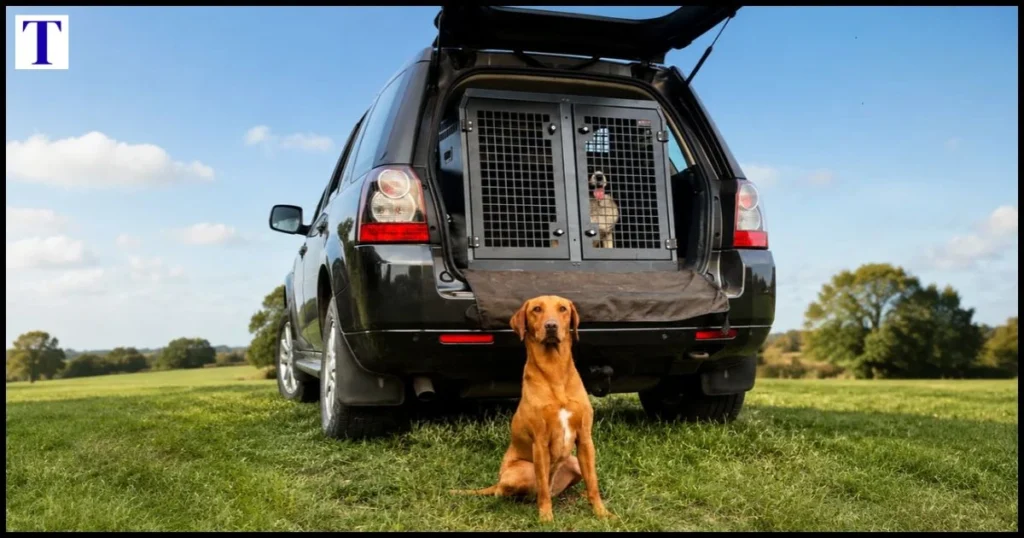

Travelling with a dog requires careful planning, particularly when choosing equipment that keeps your pet comfortable and properly restrained. Whether you are taking your dog on a short car journey, visiting family, going on holiday or arranging longer-distance transport, the right travel crate can make the experience easier for everyone. However, choosing one is not simply about finding a suitable size or affordable price. Different designs offer different levels of portability, ventilation, durability and convenience, depending on how they are used. Travel Crates for Dogs UK are available in plastic, metal, aluminium and foldable fabric designs, each serving different needs. Understanding their features can help owners avoid unsuitable purchases and choose equipment that matches their dog’s measurements, temperament and travel arrangements. This guide covers the main types, sizing advice, car safety, airline requirements and important buying considerations.
Types of Travel Crates for Dogs in the UK
Dog travel crates come in several designs, and understanding their differences is the first step towards choosing the right one. Hard-shell plastic crates provide an enclosed space with solid sides, ventilation openings and secure doors. They are generally easy to clean and can be convenient for transporting smaller and medium-sized dogs. Metal and aluminium travel crates offer a more rigid construction and are particularly popular for larger breeds and vehicle use. Some aluminium boot cages feature angled sides to fit the shape of estate cars and SUVs, making better use of available storage space. Their suitability depends on the manufacturer’s specifications and how securely they can be installed.
Soft-sided and foldable fabric crates are designed for owners who prioritise portability and convenient storage. They commonly feature lightweight frames, mesh panels and zipped entrances, making them useful for visits, holidays and temporary accommodation. However, they generally provide less resistance to chewing and scratching than hard-sided alternatives. A calm dog that is already comfortable with crate training may adapt well to a fabric model, while an energetic dog that attempts to escape may need a stronger design. Choosing between plastic, metal and fabric therefore depends on your dog’s behaviour, the journey involved and whether the crate will be used inside a vehicle or as a temporary resting space.
Best Travel Crates for Dogs UK: What Features Matter?
When comparing different dog travel crates, prioritise the features that directly affect your pet’s comfort and the product’s suitability. The internal dimensions should allow your dog to stand naturally, turn around and lie down comfortably. Check the strength of the frame, quality of the hinges and reliability of the door locks. Good ventilation is essential, particularly during longer journeys, while smooth edges and secure fittings help reduce the risk of injury. For vehicle use, external dimensions matter just as much because the crate must fit through the boot opening and sit properly inside the available space. A product that appears suitable online may not fit your vehicle once assembled.
Other features can make everyday use considerably easier. Removable trays help with cleaning, washable materials are useful after muddy walks, and carrying handles can make portable models easier to move. Before purchasing, compare these important features:
- Internal dimensions: Make sure your dog has enough room to move naturally.
- Construction: Choose materials appropriate for your dog’s size and behaviour.
- Secure locking: Check that doors cannot open accidentally.
- Ventilation: Look for sufficient openings to maintain airflow.
- Easy cleaning: Removable bases and washable surfaces are practical.
- Portability: Consider weight, handles and folding mechanisms.
- Vehicle compatibility: Measure the boot opening and available interior space.
- Manufacturer instructions: Check weight limits and the intended use of the product.
Customer reviews can help identify recurring problems with assembly, durability and door mechanisms. However, product specifications should always take priority over advertising descriptions or appearance.
Small and Large Travel Crates for Dogs
Small dog travel crates are useful for breeds such as Chihuahuas, Dachshunds and small Terriers. Their compact designs are often easier to carry and store, but choosing a crate simply because it is labelled small can lead to discomfort. Measure your dog while standing and compare the results with the manufacturer’s internal dimensions. Your pet should be able to stand naturally, turn around and lie down without being restricted. Also consider the entrance size, as a narrow opening may make it difficult to guide an anxious dog inside. Ventilation and a comfortable base are equally important, particularly when the carrier will be used for longer journeys.
Large dog travel crates require additional attention to strength, weight capacity and available vehicle space. Breeds such as German Shepherds, Labradors and Golden Retrievers may need spacious models with reinforced frames and secure doors. However, the largest available crate is not automatically the most suitable. Measure the vehicle’s boot opening, floor area and interior height before purchasing, taking account of sloping sides and other fittings. Some aluminium boot cages are designed with angled sides to fit particular vehicle shapes. Always compare the actual internal and external measurements because medium, large and extra-large labels are not standardised across manufacturers.
Travel Crates for Dogs in Cars: Safety and Comfort
Car travel is one of the main reasons owners consider purchasing a dedicated dog crate. A suitable and correctly secured enclosure can help prevent a dog from moving freely around the vehicle, distracting the driver or interfering with passengers. It can also provide a familiar resting space for dogs that become unsettled during journeys. Under Rule 57 of the UK Highway Code, dogs should be suitably restrained so they cannot distract the driver or injure themselves or others if the vehicle stops suddenly. The suggested options include a seat belt harness, pet carrier, dog cage or dog guard. A crate is therefore one possible way to restrain a dog, rather than a compulsory choice for every vehicle journey.
Before travelling, check that the crate fits properly and is secured according to the manufacturer’s instructions. A model that slides across the boot or tips during movement is not a suitable arrangement. Avoid blocking ventilation openings or placing heavy luggage where it could fall against the enclosure. For longer journeys, plan suitable stops so your dog can drink water, stretch and go to the toilet. Never leave a dog unattended in a hot vehicle because temperatures can rise quickly, even when the car is parked in the shade. Choosing suitable equipment is only one part of responsible transport; correct installation, supervision and comfortable travelling conditions are equally important.
Foldable Dog Travel Crates: Are They Worth Buying?
Foldable dog travel crates are popular with owners who need lightweight equipment that can be stored easily when not in use. Many fabric models feature collapsible frames, mesh windows and zipped entrances, making them convenient for holidays, visits to relatives and temporary accommodation. Some also include removable covers, storage pockets and washable flooring. Their portability is particularly useful when carrying a traditional metal crate would be inconvenient. For dogs that are already comfortable with crate training, a familiar foldable enclosure can provide a recognisable resting area when staying somewhere new.
However, fabric crates are not suitable for every dog or type of journey. Dogs that chew, scratch or become distressed when enclosed may damage the material or escape. These models also generally provide less structural protection than rigid alternatives. An ordinary foldable fabric crate should not automatically be treated as a car restraint unless the manufacturer specifically confirms that the exact model has been designed and tested for that purpose. Before buying, examine the frame, mesh strength, zips and intended use. For strong or anxious dogs, a more durable plastic, metal or vehicle-specific design may be a better choice.
Airline-Approved Dog Travel Crates and IATA Requirements
Airline travel requires more preparation than an ordinary car journey because pet transport containers must meet specific conditions. The International Air Transport Association (IATA) publishes Live Animals Regulations covering the transport of animals, including requirements relevant to travel containers. Important considerations include construction, ventilation, secure closures and sufficient internal space. A dog should be able to stand, sit, turn around and lie down in a natural position. The container must also be suitable for the animal’s size and journey. However, a product advertised as airline approved is not automatically accepted by every airline, so owners should avoid relying solely on a retailer’s description.
Contact your airline before purchasing a crate or booking your dog’s journey. Ask about permitted dimensions, door construction, locking arrangements, water containers, documentation and whether pets are accepted on your particular route. Requirements can differ depending on the airline, aircraft and destination. International travel may also involve microchip, vaccination, animal health certificate and entry requirements. Introduce the crate gradually at home so your dog becomes familiar with it before travelling. If your pet has breathing difficulties, significant anxiety or another health concern, speak to a vet about whether air travel is appropriate. Careful preparation can help prevent last-minute problems at the airport.
How to Choose the Right Travel Crate for Your Dog
Start by considering how and where you intend to use the crate. A dog that regularly travels in a family car may need a different design from one that occasionally visits the vet or stays overnight with relatives. Measure your dog while standing and lying down, then compare these measurements with the manufacturer’s internal dimensions. Check the weight limit, entrance size and ventilation openings as well. If the crate will be used in a vehicle, measure the boot opening, floor area and available height, including any sloping surfaces. These checks can prevent common buying mistakes, such as choosing a model that is too narrow for the dog or too large for the vehicle.
Next, consider your dog’s temperament and the quality of the product. A calm small dog may adapt comfortably to a lightweight carrier, whereas a strong or energetic dog may need a more substantial enclosure. Look for reliable locks, smooth edges, durable joints and materials that are easy to maintain. Read customer reviews for repeated comments about assembly, door security and durability, but do not rely entirely on star ratings. Check the manufacturer’s cleaning instructions, intended use and warranty information where available. A suitable travel crate should provide adequate space, meet your transport requirements and remain practical to handle whenever you travel.
(FAQs)
What is the best dog travel crate in the UK?
The best dog travel crate depends on your pet’s size, behaviour and intended use. Hard-shell plastic models may suit smaller dogs, while metal or aluminium boot cages can be practical for larger breeds and regular car journeys. Compare internal dimensions, construction, ventilation and vehicle compatibility before purchasing.
Are dog travel crates safe for car journeys?
A suitable travel crate can help restrain a dog during car journeys when it is correctly installed and secured according to the manufacturer’s instructions. It should fit the vehicle properly and provide sufficient ventilation and space. Owners should also follow the UK Highway Code’s guidance on suitably restraining dogs.
Which dog travel crates are suitable for airline travel?
Airline travel containers must meet the relevant airline requirements and applicable IATA Live Animals Regulations. Owners should confirm the exact crate model, dimensions, construction and locking arrangements with their airline before booking. An airline-approved product description alone does not guarantee acceptance.
Can I use a foldable dog crate in a car?
Most ordinary foldable fabric crates are intended for temporary resting or indoor use rather than vehicle restraint. They should only be used for car transport if the manufacturer specifically confirms that the particular model is designed and tested for that purpose. Otherwise, choose an appropriate vehicle restraint.
How big should a travel crate be for my dog?
A travel crate should allow your dog to stand naturally, turn around and lie down comfortably. Measure your dog’s height and body length, then compare these measurements with the manufacturer’s internal sizing guidance. Do not choose a crate based on breed or weight alone.
Conclusion
Choosing the right travel crate is about finding a balance between your dog’s comfort, suitable restraint and the practical requirements of your journeys. Plastic carriers, metal boot cages, aluminium enclosures and foldable fabric models all serve different purposes, so the best option depends on your pet’s measurements, temperament and intended transport arrangements. UK dog owners should pay particular attention to internal dimensions, secure closures, ventilation, construction quality and compatibility with their vehicles. Airline journeys require additional preparation because individual carriers can impose specific conditions alongside international transport standards.
Ultimately, the best purchase is not necessarily the most expensive model or the one with the most features. It is the crate that genuinely suits your dog, fits the intended transport setting and can be used correctly. Introduce it gradually, secure it properly and provide appropriate breaks during longer journeys. Taking time to compare designs and check measurements before buying can prevent unnecessary expense and unsuitable choices. A well-chosen travel crate can make journeys more organised and comfortable while helping owners manage their dogs responsibly.