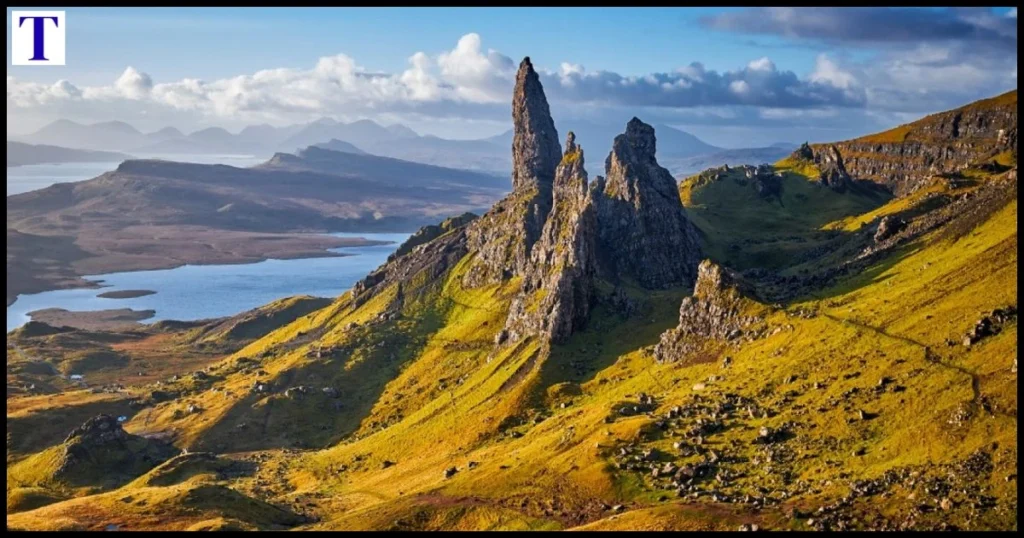

The Isle of Skye, off the north-west coast of Scotland, is known for its dramatic mountains, rugged coastline, waterfalls and unusual rock formations. It attracts walkers who want to experience the Scottish Highlands on foot, from the famous Old Man of Storr to the striking cliffs and ridges of the Quiraing. There are also shorter walks around rivers, coastal areas and scenic viewpoints, making it possible to plan a visit around different interests and fitness levels.
Planning an Isle of Skye hiking tour involves more than choosing attractive trails. Weather conditions can change quickly, paths may become muddy or slippery, and journeys between walking areas can take longer than expected. Your available time, transport, accommodation and walking experience all influence which routes are suitable. By considering these details in advance, you can choose a realistic itinerary, prepare the right equipment and enjoy the island without rushing between attractions.
Best Hiking Routes on the Isle of Skye
The Old Man of Storr and the Quiraing are two of the island’s best-known walking destinations. The Storr route climbs towards an impressive rock pinnacle, with views that become more expansive as you gain height. The Quiraing offers a different landscape of dramatic ridges, cliffs and unusual rock formations. Walking the full Quiraing circuit requires more time and preparation than simply visiting a viewpoint. Before choosing either route, consider the distance, elevation, ground conditions and whether the walk matches your experience.
The Fairy Pools offer a scenic route alongside waterfalls and natural pools, while coastal paths provide opportunities to explore Skye’s shoreline and quieter corners. No single route is best for every visitor. Experienced walkers may prefer longer outings, while beginners can focus on shorter trails and return when they feel comfortable. Check local conditions before setting out and allow enough time for breaks and the return journey. If visibility deteriorates or the ground becomes unsafe, choose an alternative walk rather than continuing simply to reach a particular viewpoint.
Guided vs Self-Guided Hiking Tours
Guided walking tours are useful for visitors who want local knowledge and help with route planning. A qualified guide can explain the landscape, share information about local features and help the group respond to changing conditions. Depending on the package, transport and some equipment may also be included. Guided trips can be especially helpful for travellers unfamiliar with the Highlands, but it is still important to check the expected walking pace, difficulty and total time spent outdoors before booking.
Self-guided holidays provide more flexibility because you can decide how long to spend at each location and choose routes that suit your interests. Some organised self-guided packages include accommodation, route notes and luggage transfers, while independent travellers arrange these services themselves. This option is most suitable when you are comfortable reading maps, checking forecasts and making decisions about outdoor safety. Beginners can also enjoy independent walks by choosing manageable routes, preparing carefully and avoiding difficult terrain beyond their abilities.
Isle of Skye Hiking Tour Packages and Costs
The cost of a walking holiday depends on its length, accommodation, transport, meals and whether a guide is included. A short guided excursion usually involves different expenses from a multi-day package with overnight stays and organised transfers. However, the advertised price may not cover every service. Before booking, check whether the package includes accommodation, meals, transport to trailheads, luggage handling and optional activities. Comparing what is included is more useful than choosing a tour based on its headline price alone.
Independent travellers should budget for accommodation, food, local transport or car hire, walking equipment and unexpected expenses. Staying in one base can reduce the need to move luggage, although reaching distant trails may require additional transport. An organised package may offer convenience if it combines services that would otherwise be difficult to arrange. Prices and availability vary by season and travel dates, so request current quotes before making a decision. The most suitable option is one that fits your budget, walking ability and preferred level of support without requiring unnecessary extras.
How to Plan an Isle of Skye Hiking Tour Itinerary
A good itinerary balances walking with travel, rest and time to appreciate the scenery. Trying to visit every famous landmark in one day can leave you tired and give you little time on the trails. For a three-day visit, you could explore the Old Man of Storr and nearby Trotternish scenery on the first day, visit the Quiraing on the second, and choose the Fairy Pools or a suitable coastal walk on the third. This is a flexible example, not a fixed schedule. Your fitness, transport and weather conditions should determine the final plan.
A longer stay allows you to explore different parts of the island without making every day demanding. Consider booking accommodation that reduces unnecessary driving and gives you convenient access to your preferred routes. Check the forecast before each walk, identify an alternative and allow enough daylight for the return journey. Carry water, food and suitable clothing in case you are outdoors longer than expected. Building flexibility into your itinerary makes it easier to change plans when conditions deteriorate and helps you enjoy the trip without feeling pressured to complete every planned activity.
Isle of Skye Hiking Tours from Inverness
Inverness can be a convenient starting point for visitors exploring the Scottish Highlands before travelling to Skye. Some organised excursions combine transport, sightseeing and selected walks, making them an option for travellers who do not want to drive. However, the journey itself takes up part of the day, so a tour with several sightseeing stops may leave less time for hiking than you expect. Read the itinerary carefully and check how much time is allocated to walking rather than assuming every excursion offers an extensive trail experience.
If hiking is your main reason for visiting, staying on Skye for several nights may give you greater flexibility. You can start earlier, choose routes according to the weather and avoid the pressure of returning to Inverness after a full day outdoors. Independent visitors should check current public transport services and how far each stop is from the trailhead. Some walking areas are difficult to reach without a car, organised excursion or pre-arranged transfer. Before booking, confirm the departure point, return arrangements, walking difficulty and any additional costs.
Best Time to Go Hiking on the Isle of Skye
Late spring through early autumn is a popular period for walking on Skye because longer daylight hours provide more time to explore. Summer offers plenty of opportunities for outdoor activities, but popular routes and accommodation can be busy. Highland midges may also be troublesome in suitable weather, especially in sheltered areas. Spring and early autumn can provide a quieter experience, although rain, wind and low cloud remain possible. No season guarantees consistently dry conditions, so preparation matters throughout the year.
Winter walking requires additional care because daylight is shorter, paths can become icy and mountain weather may be severe. Some exposed routes are unsuitable without appropriate experience and equipment. Check a reliable local mountain forecast before setting out and be prepared to choose a shorter or lower-level walk if conditions deteriorate. During busy periods, arrange accommodation well in advance and avoid building your entire itinerary around one demanding hike. A flexible plan allows you to make the most of suitable weather without feeling obliged to continue when conditions become unsafe.
What to Pack for an Isle of Skye Hiking Tour
Packing for Skye means preparing for rain, wind and changes in temperature, even during summer. Waterproof walking boots with good grip are useful on muddy or uneven paths, while a waterproof jacket and overtrousers help protect against persistent rain. Layered clothing allows you to adjust to changing conditions during climbs and rest breaks. Keep spare warm clothing dry, particularly if you plan to walk in exposed areas where wind can make you feel colder.
Your equipment should include drinking water, food, a small first-aid kit, blister care, personal medication and a fully charged phone. Carry a suitable map and compass and learn how to use them instead of relying entirely on mobile coverage. A head torch, power bank and dry bag can also be useful if a walk takes longer than expected. Walking poles may help with balance on uneven descents, while insect repellent and sun protection are useful in suitable conditions. Choose your equipment according to the route, forecast and duration, and carry enough supplies to cope with reasonable delays.
(FAQs)
How many days do you need for an Isle of Skye hiking tour?
Three to five days can provide time for several well-known walks and some flexibility if the weather changes. A week or longer allows a slower pace, more varied routes and rest days. The ideal duration depends on your fitness, transport arrangements and how much of the island you want to explore.
Can you explore the Isle of Skye without a guided tour?
Yes. Independent hiking is possible if you research your routes, understand navigation and prepare for changing weather. Some trailheads can be difficult to reach by public transport, so check current connections or arrange suitable transfers before travelling.
Is the Isle of Skye suitable for beginner hikers?
Yes, provided beginners choose manageable routes and suitable conditions. Some shorter walks may be appropriate starting points, but uneven and slippery ground can still present difficulties. Start with routes that match your fitness and experience, and avoid exposed or challenging terrain until you are properly prepared.
Do you need a car for hiking on the Isle of Skye?
No, but a car can make it easier to reach trailheads spread across the island. Without one, you may need organised tours, local buses or pre-arranged transfers. Check current timetables and the distance between transport stops and your chosen walking routes before relying on public transport.
How much does an Isle of Skye hiking tour cost?
The price depends on the trip length, accommodation, transport, group size and whether guiding is included. A short excursion and a multi-day walking holiday can have very different total costs. Compare current quotes and check what is included before booking.
Conclusion
The Isle of Skye is a rewarding destination for walkers who want to experience Scotland’s dramatic landscapes on foot. From the distinctive rock formations of the Old Man of Storr and the Quiraing to the waterfalls of the Fairy Pools and quieter coastal paths, the island offers a range of experiences for different interests and abilities. You do not need to complete the hardest routes to appreciate its scenery. Choosing suitable walks and allowing enough time to enjoy them can make the experience more rewarding.
Before travelling, check route conditions, transport connections and the local mountain forecast. Pack suitable waterproof clothing, carry essential supplies and leave room in your itinerary for changes in the weather. A guided package may simplify planning, while a self-guided holiday offers greater independence for confident walkers. The best approach is to plan a few meaningful walks rather than rush around the entire island. With realistic expectations and careful preparation, a hiking holiday on Skye can provide a memorable outdoor experience without unnecessary pressure or risk.



Pingback: Travel Crates for Dogs UK: How to Choose the Right One