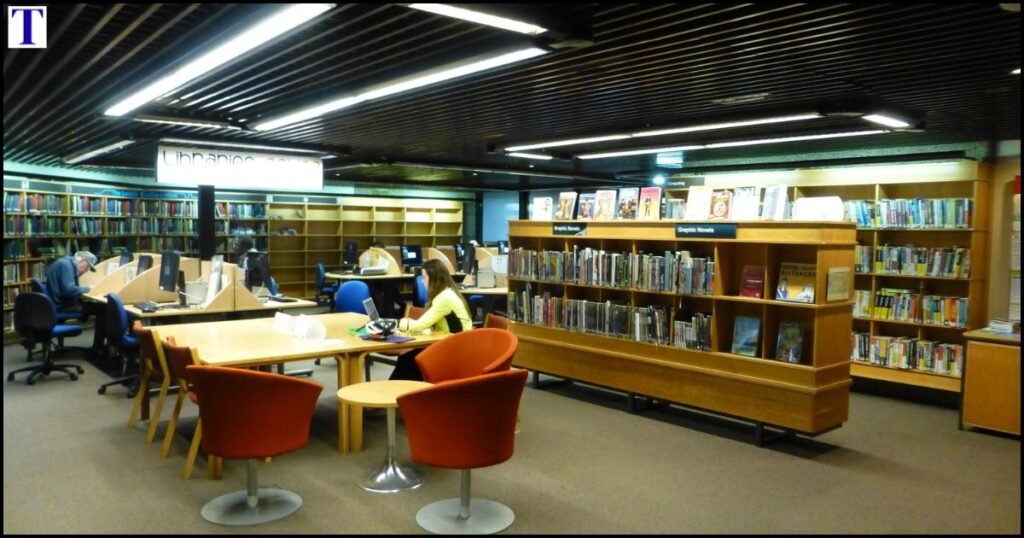

The Barbican Library catalogue is a useful starting point for anyone looking for books, music scores, CDs, DVDs, audiobooks or other library resources in central London. Instead of visiting first and searching the shelves yourself, you can search the collection online, check your library account and manage eligible renewals and reservations. The Barbican Library also offers much more than general reading material. Its services include a specialist Music Library, Children’s Library, study spaces, computers, Wi-Fi, digital resources and collections covering areas such as art, music, finance and London. Whether you are a student researching a subject, a reader looking for a particular title, a musician searching for scores or a visitor planning a first trip, understanding how the catalogue and library work can make your visit considerably easier and more productive.
What Is the Barbican Library Catalogue?
The Barbican Library catalogue is the online search system used to find materials available through the City of London Libraries. You can search using information such as a book title, author or subject, making it possible to investigate the collection before travelling to the library. This is particularly useful when you need one specific item because you can check the catalogue first rather than spending time searching the shelves without knowing whether the resource is held there.
The catalogue is also useful for wider research and discovery. A subject-based search can reveal related titles when you are not looking for one particular book, while account features allow eligible members to renew and reserve items online. The library describes the catalogue as a way to search its collection, access an account and manage renewals and reservations, making it an important part of the overall service rather than simply an online list of books.
How to Search the Barbican Library Catalogue
The best search method depends on what you already know. If you have a particular book in mind, begin with its title or the author’s name. For research, a subject or broader keyword can produce more useful results. Once you have the results, check the title, author and format carefully, especially when several publications have similar names. If you need a CD, DVD, score or another particular format, make sure the result matches what you actually want before planning your visit.
A simple search process can make the catalogue much more useful:
- Search the exact title when you know it.
- Try the author’s name if the title is uncertain.
- Use a subject term for broader research.
- Check the format of the item.
- Review availability before travelling.
- Sign into your account when managing eligible reservations or renewals.
For popular titles and specialist resources, checking first can save a wasted journey. It can also help you identify alternative material if your first choice is unavailable. For students and researchers, searching before visiting has the added advantage of giving you a clearer idea of which subjects, authors or collections are worth exploring once you arrive.
What Can You Find in the Barbican Library?
The Barbican Library has a broad collection covering much more than ordinary fiction and non-fiction. Its resources include books, audiobooks, graphic novels, newspapers, magazines, CDs, DVDs, language sets and sheet music. It also has specialist collections covering subjects such as art, music, finance and London. This combination makes the library useful for everyday reading as well as more focused research and learning.
The wider service includesca a dedicated Children’s Library and Music Library, together with computers, free Wi-Fi, printing, photocopying and scanning facilities. Members can also use digital resources including eBooks, eAudiobooks, eMagazines and eComics, while music users have access to specialist online resources. There is also a Library of Things within the Barbican Library, offering useful items for hire. This range means the service can support reading, study, research and practical needs in one location.
Barbican Library Opening Times
The current Barbican Library opening times are 9.30am to 5.30pm on Monday, Wednesday and Friday, 9.30am to 7.30pm on Tuesday and Thursday, and 9.30am to 4pm on Saturday. The library is closed on Sundays and bank holidays. It also has specific Christmas and Easter closures, so checking the latest timetable is sensible if you are planning a special journey or visiting specifically to collect an item.
The longer Tuesday and Thursday hours can be especially useful for people who work or study during normal daytime hours. It is important, however, not to confuse the library timetable with the general opening hours of the Barbican Centre. Different facilities within the Centre can operate on different schedules. The Music Library study area, for example, can occasionally be unavailable during events, although its collection generally remains accessible unless otherwise stated.
Where Is Barbican Library?
Barbican Library is on Level 2 of the Barbican Centre, Silk Street, London, EC2Y 8DS. Because it is located inside the larger Barbican Centre rather than in a separate street-level building, first-time visitors need to find the Centre and then make their way to Level 2. The library can be accessed from the main building using stairs or lifts from Level G, with another route available through Frobisher Crescent from the highwalks.
The location is convenient for people visiting the City of London for work, study, culture or other activities. If your purpose is to collect a particular book or other resource, though, location is only part of the planning process. Searching the catalogue first helps you establish whether the material you want is actually held or available. This is especially important for specialist items, popular titles and music resources where availability can vary.
Barbican Library Map and Location
A map can be particularly helpful because the Barbican Centre has several levels, entrances and interconnected walkways. For a first visit, it is useful to identify the main Centre and then follow signs towards Level 2 rather than relying only on the street address. Visitors approaching through the highwalks may have a different route from those entering through Silk Street, so allowing a little extra time for navigation can make the visit less stressful.
Accessibility is another important consideration when planning the route. The main library has stairs and lifts to Level 2. The Music Library is reached through the main library, with 22 stairs between its levels and a passenger-operated lift available for visitors who need it. Staff can assist where necessary. The library itself does not have toilets, although accessible facilities are available elsewhere within the Barbican Centre.
What Is the Barbican Music Library?
The Barbican Music Library is one of the library’s most distinctive specialist services. Its collection includes sheet music and scores, chamber music sets, vocal scores, songbooks, full scores, books about music, magazines, CDs and music DVDs. This makes it particularly useful for musicians, performers, students and researchers, as well as anyone interested in exploring music beyond ordinary streaming services.
The Music Library also provides CD listening booths, digital music resources and electronic pianos. The City of London describes its CD collection as the largest selection in any London public library, with strong holdings across a wide range of genres. Two electronic pianos are available free of charge, with sessions bookable for up to one hour a day. The library also supports specialist research through resources such as its Gilbert and Sullivan Society Library and song index.
Barbican Music Library 1996 Exhibition
The Barbican Music Library also hosts exhibitions that connect its music collections with wider cultural history. 1996: 30 Years On is a free exhibition running from 16 April to 19 September 2026. It looks at music, fashion, football, photography and popular culture during 1996, presenting the period as part of the wider story of Britain’s 1990s cultural scene.
The exhibition includes original Spice Girls costumes, previously unseen Oasis memorabilia, photography by Jill Furmanovsky and Derek Ridgers, and personal items associated with record producers and DJs including Paul Oakenfold, Dave Pearce and Judge Jules. This makes the Music Library interesting even for people who are not visiting to borrow music. Because exhibitions are temporary, however, they should not be treated as permanent library features; anyone visiting specifically for an exhibition should check its dates before travelling.
Visiting the Barbican Library
A productive visit usually begins before you enter the building. If you need a particular book, CD, DVD or score, search the catalogue first and check the available information. If you are researching a subject, make a short list of useful titles, authors and topics so you can use your time efficiently. This preparation is particularly worthwhile when you are travelling specifically to collect a reservation or locate specialist material.
Membership provides additional benefits for eligible users. The City of London states that Barbican and Community Libraries are free to join for people who live, work or study in the City of London or are regular visitors to the City, subject to the applicable membership requirements. Membership allows users to borrow items and access online resources. Anyone is welcome to visit and use the libraries, but borrowing requires membership.
(FAQs)
How do I search the Barbican Library catalogue?
Start with a title, author or subject and review the results carefully. Check the format and availability of the item before travelling, particularly if you need one specific book, recording or score. Members can also use the catalogue to access eligible account services such as reservations and renewals.
What are Barbican Library opening times?
The library is open Monday, Wednesday and Friday from 9.30am to 5.30pm, Tuesday and Thursday from 9.30am to 7.30pm, and Saturday from 9.30am to 4pm. It is closed on Sundays and bank holidays, with some additional holiday closures.
Where is Barbican Library located?
Barbican Library is on Level 2 of the Barbican Centre, Silk Street, London, EC2Y 8DS. It can be reached from the main building by stairs or lifts, or via Frobisher Crescent from the highwalks.
What can I find in the Barbican Music Library?
The Music Library contains sheet music, scores, books about music, magazines, CDs, DVDs and digital music resources. It also has listening booths, electronic pianos and specialist collections, making it particularly useful for musicians and music researchers.
Can anyone use Barbican Library?
Anyone can visit and use the library, but membership is required to borrow items. The City of London says membership is free for eligible people who live, work or study in the City or are regular visitors, subject to its membership requirements.
Conclusion
The Barbican Library catalogue is the best place to begin if you want to make an efficient visit to this distinctive London library. Searching before you travel allows you to find relevant books, recordings, scores and other resources while giving you a clearer idea of what the collection offers. It can also help members manage eligible reservations and renewals without needing to visit the library simply to handle their account.
The library itself offers considerably more than traditional book lending. Its specialist Music Library, extensive recorded-music collection, scores, digital resources, study facilities, children’s services and cultural exhibitions make it useful for a wide range of visitors. The most practical approach is simple: search first, check the current opening times, plan your route to Level 2 and then explore the collection that matches your needs. For readers, students, researchers and music enthusiasts, the Barbican Library is a valuable resource in the heart of London.