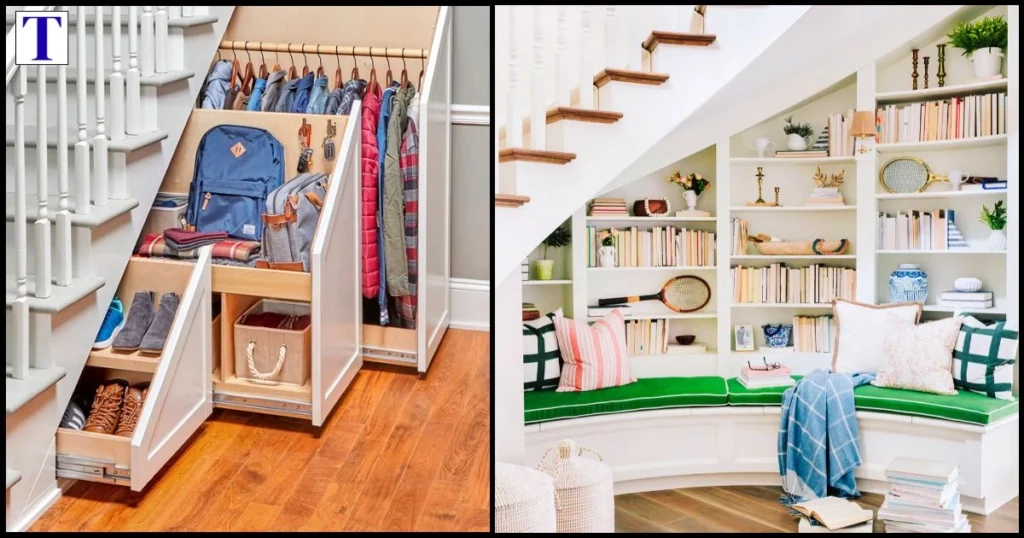

The space beneath a staircase is often overlooked, but it can provide valuable storage without taking up extra room elsewhere in the house. With the right layout, this awkward area can become a practical cupboard, an organised shoe station, a compact home library or a dedicated place for household essentials. The best design depends on the shape of your staircase, the available space and the belongings you need to store.
Choosing the right under stairs storage ideas can help reduce clutter, improve organisation and make everyday routines easier. You do not necessarily need expensive fitted furniture to create a useful storage area. Simple shelving, baskets, modular units and carefully planned drawers can all make a difference. Whether you live in a small flat or a family home, these practical solutions can help you make better use of the space while keeping your interior tidy and attractive.
Best Under Stairs Storage Ideas for Any Home
One of the most effective approaches is to divide the space beneath the staircase into separate storage zones. The taller end can accommodate a cupboard, coats or a vacuum cleaner, while the lower section is suitable for shoes, baskets and smaller belongings. Built-in drawers can make deeper areas easier to access, and open shelving provides a convenient place for books, decorative accessories or everyday essentials. If you prefer a clean appearance, combine closed cupboards with a small open section so frequently used items remain accessible without making the hallway look cluttered.
You can also create a mini library, a household organisation station or a dedicated space for children’s toys, depending on your needs. A small bookcase works well beneath a staircase with enough headroom, while labelled baskets can keep toys and games together. For a more decorative finish, use coordinated storage boxes, matching cupboard doors or a simple colour scheme that complements the surrounding walls. Before choosing furniture, measure the height, width and depth at several points because the sloping ceiling can restrict the size of individual units. The best design makes everyday belongings easier to find rather than simply filling every available gap.
Under Stairs Storage Ideas for Small Spaces
In a compact home, the area beneath the stairs can provide useful storage without requiring another large cupboard. Slim shoe racks, shallow shelves and stackable boxes are suitable for narrow spaces where bulky furniture would obstruct movement. Use the lowest section for flat items such as shoes or storage containers, and reserve taller sections for bags, coats and household equipment. Wall-mounted hooks can keep jackets and shopping bags off the floor, while a narrow storage bench may provide both a place to sit and additional space for footwear.
Good organisation is particularly important when the available space is limited. Keep frequently used belongings near the entrance and store seasonal decorations or occasional-use items towards the back. Transparent containers make it easier to identify their contents, while labelled boxes help prevent small belongings from becoming mixed together. Light-coloured finishes can create a more open appearance, but practical lighting is equally important if the staircase makes the area dark. Leave enough room for doors, drawers and people to move comfortably through the hallway. A compact arrangement that is easy to use will generally be more effective than one that offers extra capacity but makes everyday access difficult.
Under Stairs Storage for Shoes and Coats
The space beneath the stairs can become a practical hallway station for shoes, coats, bags and umbrellas. A combination of coat hooks, a hanging rail and shoe shelves keeps everyday belongings together instead of allowing them to collect around the front door. If the staircase has sufficient height, use the taller section for longer coats and reserve the lower area for footwear. A small bench with storage underneath can make putting on shoes more comfortable, while a removable tray can collect dirt and water from outdoor footwear.
Choose the arrangement according to your household’s daily routine. A family may benefit from separate shoe compartments for different people, whereas a smaller household might need only a compact rack and a few hooks. Avoid overcrowding the hanging rail because tightly packed coats become difficult to reach and can make the entrance feel untidy. Allow wet shoes and damp coats to dry properly before placing them in enclosed storage, and clean the floor regularly to prevent dirt from building up. If the hallway is narrow, choose shallow furniture and keep the main walking route clear. These small decisions can turn an awkward corner into an organised entrance.
Under Stairs Cupboard Storage Ideas
An under-stairs cupboard is an excellent option when you want to keep household belongings out of sight. Depending on its dimensions, the cupboard can store cleaning equipment, spare bedding, luggage, tools, toys or seasonal decorations. Full-height doors suit the taller end of the staircase, while smaller compartments can make use of the lower sections. Adjustable shelves provide flexibility because you can change the arrangement as your storage needs develop. If you already have an enclosed space beneath the stairs, organising the existing cupboard may be more affordable than installing a completely new storage system.
To make a cupboard easier to use, divide it into clear zones instead of placing everything together. Keep frequently used cleaning supplies near the entrance, store heavier items on lower shelves and use labelled boxes for smaller belongings. Pull-out baskets or drawers can help you reach items stored towards the back of a deep cupboard. Before installing permanent fittings, check for hidden pipes, electrical cables and other services that could affect the work. Household cleaning products and sharp tools should be secured away from children. Good lighting and accessible shelving can make even an awkward cupboard more practical without requiring unnecessary alterations.
Budget-Friendly Under Stairs Storage Ideas
Creating useful storage does not always require bespoke cabinetry or expensive renovation work. Start by sorting your belongings and deciding which items genuinely need to stay beneath the stairs. You may discover that a few shelves, storage boxes or a second-hand cabinet provide enough capacity. Reusing furniture you already own can reduce costs, provided it fits the available dimensions and can be positioned safely. Freestanding units are also useful if you want to test different layouts before investing in permanent fittings.
Consider these affordable options when planning your space:
- Stackable storage boxes: Keep toys, seasonal decorations and occasional-use belongings organised.
- Open shelves: Store books, baskets and everyday household essentials.
- Wall hooks: Provide convenient places for coats, bags and umbrellas.
- Freestanding shoe racks: Organise footwear without requiring fitted furniture.
- Storage baskets: Keep smaller belongings together and create a tidy appearance.
- Second-hand cabinets: Reuse suitable furniture instead of buying a new unit.
Measure carefully before purchasing anything because inexpensive furniture can become a poor investment if it does not fit. Compare the cost of materials, tools and installation before deciding whether a DIY project offers better value than ready-made storage. You can also begin with movable units and upgrade the arrangement later. A simple solution that meets your actual needs is often more useful than an elaborate design with features you rarely use.
IKEA Storage Ideas for Under the Stairs
IKEA storage furniture may help you organise the space beneath a staircase without paying for a fully customised installation. Depending on the dimensions available, you could consider shelving units, storage boxes, baskets or compact cabinets. Open shelving makes frequently used belongings easier to reach, while closed storage helps conceal items that would otherwise make the hallway look cluttered. Combining shelves with boxes can also separate shoes, toys, books and household supplies. Before choosing a product, consider what you need to store and whether a single unit or several smaller pieces would provide a more practical arrangement.
The main challenge is that standard furniture is designed around regular dimensions, while the space beneath a staircase slopes downwards. Measure the available height, width and depth for each unit, including the clearance required for doors and drawers to open fully. Several smaller units may fit better than one large cabinet, particularly where the height changes sharply. Check assembly and wall-fixing instructions, especially for tall furniture, and do not cut or modify a unit in a way that compromises its stability. Compare the total cost of the furniture and any additional fittings before purchasing. The right choice is one that fits safely and provides useful storage rather than simply looking attractive in a photograph.
How to Choose the Right Under Stairs Storage
The best storage arrangement depends on what you need to store, how much space is available and how much you want to spend. Begin by making a list of your priorities. If shoes and coats create daily clutter, a hallway station may be the most useful option. If you lack space for cleaning equipment, reserve a taller section for a vacuum cleaner, mop and supplies. For belongings used only occasionally, labelled boxes on shelves may provide enough capacity without the cost of fitted furniture. Consider whether you need open access, enclosed cupboards or a mixture of both.
Before making a final decision, consider these practical factors:
- Measurements: Check the height, width and depth at several points.
- Accessibility: Keep frequently used belongings within easy reach.
- Storage capacity: Plan compartments around the items you actually own.
- Budget: Include materials, furniture, fittings and installation costs.
- Maintenance: Choose surfaces that are easy to clean.
- Safety: Secure tall furniture appropriately and keep heavy items low.
- Appearance: Choose finishes that complement the surrounding room.
Think about how the storage will work over time, not just how it looks on installation day. A flexible arrangement may suit a growing family better than fixed shelves, while a fitted cupboard may provide a neater finish in a busy entrance. If you are uncertain about the best layout, start with movable storage and adjust it before investing in permanent changes. Careful planning can help you avoid wasted space, unnecessary spending and difficult-to-reach belongings.
(FAQs)
What is the best way to use the space under the stairs?
The best option depends on your household’s needs and the staircase’s dimensions. Cupboards, pull-out drawers, shoe racks, cleaning storage and open shelves can all work well. Measure the available space and consider how frequently you will use the stored items before choosing a layout.
How can I create under-stairs storage on a budget?
Start with affordable shelves, stackable boxes, wall hooks or a second-hand cabinet that fits the space. Sorting your belongings before buying storage products can prevent unnecessary spending. Reusing suitable furniture may also help you organise the area without investing in a complete renovation.
Can IKEA furniture fit under the stairs?
Some IKEA shelving units, baskets and cabinets may fit, depending on their dimensions and the shape of your staircase. Measure the available space carefully and check that doors and drawers can open properly. Choose furniture that can be assembled and secured according to the manufacturer’s instructions.
How do I organise a small under-stairs cupboard?
Group similar belongings together, use adjustable shelves and label storage boxes. Keep frequently used items near the entrance and place heavier objects on lower shelves. Pull-out baskets can improve access to deeper areas, while good lighting makes it easier to locate stored belongings.
What should I store under the stairs?
Suitable items include shoes, coats, bags, cleaning equipment, books, toys, tools and seasonal decorations. Choose items according to the available space and keep hazardous products securely away from children. Allow damp belongings to dry before placing them in enclosed cupboards.
Conclusion
The space beneath a staircase can become a valuable part of your home when its storage is designed around your everyday needs. From shoe racks and coat hooks to fitted cupboards, modular furniture, affordable shelving and DIY solutions, there are options for different budgets and room sizes. The most effective arrangement is not necessarily the most expensive one; it is the one that makes belongings easier to access while keeping the surrounding area tidy.
Before starting, measure the available space carefully, decide what you need to store and compare permanent fittings with flexible alternatives. Smaller homes may benefit from compact shelving and stackable containers, while larger areas can accommodate dedicated cupboards or pull-out drawers. Prioritise accessibility, safe installation and easy maintenance instead of adding features you do not need. With sensible planning and regular organisation, the area beneath your staircase can reduce clutter, make better use of your available space and improve the convenience of everyday living.