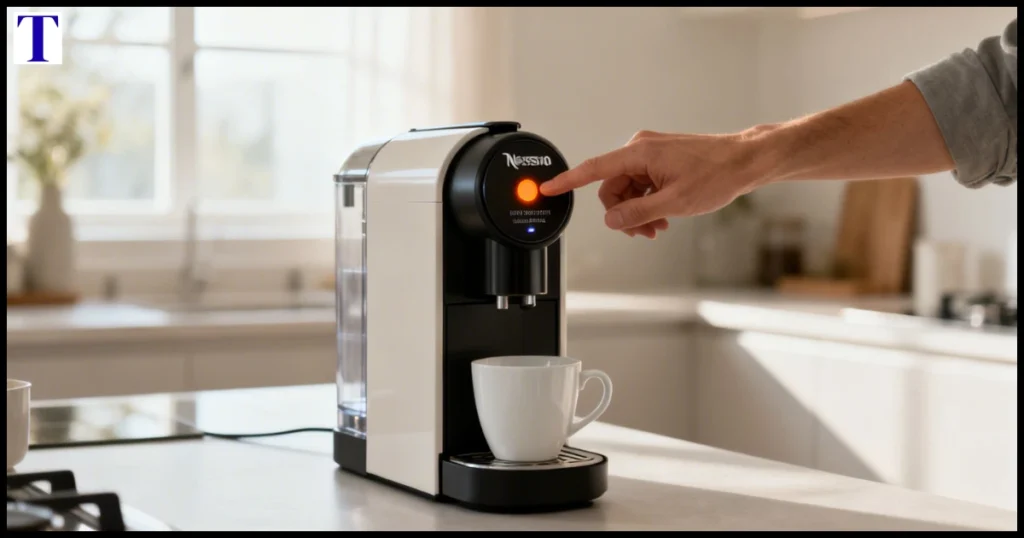

If your Nespresso machine is not working as expected, resetting it can sometimes restore normal operation without the need for complicated troubleshooting. A reset can help when coffee volumes have changed, programmed settings are incorrect, or the machine is behaving differently after cleaning or descaling. However, there is no single reset method that works for every Nespresso machine. Vertuo, OriginalLine and different individual models can use different controls and button sequences.
Knowing the correct reset process is therefore important. Using instructions for the wrong model may not work and can sometimes activate another function instead. This guide explains how to reset Nespresso machine settings, how Vertuo and De’Longhi models differ, what to do after descaling, how to deal with unusual light patterns and what to check when a factory reset fails. It also explains when resetting is useful and when the real solution is cleaning, descaling or further troubleshooting.
How to Reset a Nespresso Vertuo Machine
The search for how to reset Nespresso machine Vertuo can cover several models, including Vertuo, VertuoPlus, Vertuo Next and Vertuo Pop. Although these machines belong to the Vertuo family, their controls and reset procedures are not necessarily identical. For that reason, you should identify the exact model before following a reset sequence.
A Vertuo reset is most useful when the machine appears to have a programming or settings problem. Before resetting, check the water level, capsule position and locking mechanism. Also make sure the machine has finished heating or any previous cleaning or descaling cycle. If the reset does not work, do not keep trying random button combinations. The machine may be using a different procedure, or the underlying issue may have nothing to do with its programmed settings.
How to Reset a Nespresso De’Longhi Machine
Many Nespresso machines are associated with De’Longhi, which is why people often search for how to reset Nespresso machine DeLonghi. However, the De’Longhi name alone is not enough to determine the correct reset procedure. The important information is the actual Nespresso model, because different machines can have different buttons, functions and reset sequences.
Look for the model name on the machine, product label or original documentation. Determine whether it belongs to the OriginalLine or Vertuo range and identify the specific model. This is especially important for machines with a single multifunction button. Depending on the timing and operating state, that button may control brewing, programming, cleaning or resetting. Using the correct model-specific instructions makes troubleshooting much easier.
How to Reset a Nespresso Machine After Descaling
Resetting and descaling are two separate processes. Descaling removes mineral deposits from the machine’s internal water system, while a factory reset changes certain programmed settings. If your Nespresso is behaving differently after descaling, it may not actually need a factory reset. It could still be in a descaling, cleaning or rinsing mode.
First, make sure the descaling process was completed properly, including the rinsing stage. Check that the water tank contains clean water and that the machine has returned to its normal ready state. A reset will not remove limescale or improve water flow caused by mineral build-up. If the original problem was slow coffee flow, reduced water output or a maintenance warning, proper descaling is more likely to solve the cause than repeatedly resetting the machine.
How Do You Get a Nespresso Back to Normal Mode?
A Nespresso machine can sometimes appear stuck when it is actually waiting for a particular stage of an operation to finish. Cleaning, descaling and programming can all change how the machine’s button and indicator lights behave. A flashing light therefore does not automatically mean that the machine needs a factory reset or has developed a serious fault.
Start with the simple checks. Make sure the water tank is full enough and correctly seated, remove any used capsule and check that the lid or brewing head is properly closed. If the machine has recently been cleaned or descaled, consider whether that process was interrupted. Switching the machine off and allowing it to return to a normal ready state may help. If it remains in a special mode, use the procedure designed for the exact model rather than pressing buttons at random.
How Do You Reset the Nespresso Cup Size?
If your Nespresso suddenly makes a larger or smaller cup than usual, the machine may have a programmed coffee volume rather than a mechanical problem. Some Nespresso models allow users to programme how much water is dispensed by holding the brewing control while coffee is being prepared. The machine can then remember that volume for future drinks.
If you want to restore the original cup size, the appropriate programming or factory-reset procedure may return the setting to its default value. However, a complete reset can affect other programmable settings as well. Therefore, it is useful to distinguish between changing the cup size and resetting the entire machine. If the coffee volume changes unpredictably rather than remaining consistently too high or low, further troubleshooting may be needed.
What Do Nespresso Machine Flashing Lights Mean?
Nespresso machine troubleshooting flashing lights starts with identifying the exact light pattern. A flashing light can mean different things depending on the model. It may indicate normal heating, an active cleaning or descaling cycle, a water issue, a brewing condition or another warning. The colour, number of flashes, speed and pauses can all be important.
Before performing a reset, check the basic causes. Make sure there is enough water and that the capsule area and lid are correctly positioned. Think about what happened immediately before the light appeared. If you had just started cleaning or descaling, the machine may simply be waiting for the next step. Treat the indicator light as a diagnostic signal rather than automatically assuming that a factory reset is required.
What Does a Nespresso Machine Red Light Blinking Twice Mean?
A Nespresso machine red light blinking twice can indicate a particular status or error, but its exact meaning depends on the machine model. Nespresso uses different indicator systems, so the same flashing pattern should not be interpreted identically across every machine.
If you see two red flashes, note whether they repeat continuously, whether there is a pause between the flashes and whether another light appears at the same time. Then check the water tank, capsule position and lid. Also consider whether the machine was recently cleaned, descaled or programmed. If the warning remains after these basic checks, identify the exact model and follow its troubleshooting procedure. A factory reset may help with a settings issue, but it will not resolve every physical or maintenance-related fault.
Why Is My Nespresso Vertuo Factory Reset Not Working?
If your Nespresso Vertuo factory reset is not working, the first thing to check is whether you are using the procedure for the correct Vertuo model. Vertuo is a range rather than one single machine, and different models can respond differently to button presses. An incorrect sequence or timing may simply produce no response.
The machine’s current operating state can also prevent the expected reset. It may still be heating, brewing, cleaning or descaling. Check the water tank, capsule area and lid before trying again. If the machine continues to ignore the correct reset procedure, do not repeatedly press the button. Persistent warning lights, leaks, failure to heat, unusual noises or other serious symptoms may indicate a maintenance or hardware issue that cannot be solved by restoring factory settings.
How to Descale a Nespresso Machine
Learning how to descale a Nespresso machine is important because mineral deposits can gradually accumulate inside the water system. Depending on water quality and usage, limescale can contribute to slower water flow, changes in brewing performance and maintenance warnings. A factory reset does not remove these deposits because it changes settings rather than cleaning the internal system.
The correct descaling process varies by Nespresso model. Generally, it involves preparing the machine, adding a suitable descaling solution, running the required descaling cycle and then thoroughly rinsing the system with clean water. Follow the procedure designed for your model and do not skip the rinse stage. If your machine’s problem is caused by scale, completing the maintenance process addresses the actual cause. Resetting should only be considered separately if there is also a settings-related problem.
What Should You Check Before Resetting a Nespresso Machine?
A few simple checks can prevent an unnecessary reset. Many problems that appear to require a factory reset are actually caused by an empty water tank, an incorrectly positioned capsule, an unlocked lid or an unfinished cleaning or descaling process. Checking these points first is quick and can help you understand what the machine is actually doing.
Before resetting, check:
| Check | What to do |
|---|---|
| Water tank | Make sure it contains enough clean water and is seated correctly. |
| Capsule | Remove any used capsule and check that the capsule area is clear. |
| Lid or brewing head | Make sure it is properly closed and locked. |
| Operating mode | Check whether cleaning or descaling is still active. |
| Coffee volume | Consider whether the cup size was accidentally reprogrammed. |
| Indicator lights | Note the colour, number and pattern of flashes. |
| Machine model | Confirm the exact Nespresso model before using a reset sequence. |
These checks help separate a settings problem from a maintenance or hardware issue. If everything appears normal but the machine still behaves incorrectly, a model-specific reset is a sensible next troubleshooting step.
(FAQs)
How do you reset your Nespresso machine to factory settings?
The factory-reset process depends on the exact Nespresso model. Identify the machine first, then use the reset sequence designed for that model. A factory reset normally restores supported programmable settings rather than repairing physical faults.
How do you get a Nespresso machine back to normal mode?
Check the water tank, capsule area and lid first. If the machine has recently been cleaned or descaled, make sure that process has been completed correctly. If it remains in a special mode, follow the instructions for your exact model.
How do I reset my Nespresso cup size?
If your model supports programmable coffee volume, you may be able to reprogramme the amount of coffee dispensed or restore the default setting through the appropriate reset procedure. A full factory reset may also affect other programmed settings.
How do I reset Nespresso One?
First identify the exact Nespresso model because similar machine names can have different controls. Once the model is confirmed, use its specific reset procedure rather than a generic sequence intended for another machine.
Why is my Nespresso Vertuo factory reset not working?
Confirm that you have the correct Vertuo model and reset procedure. Also check that the machine is not heating, brewing, cleaning or descaling. If the correct procedure still fails and other warning symptoms remain, the problem may be unrelated to the machine’s settings.
Conclusion
Knowing how to reset Nespresso machine settings can be useful when your coffee volume has changed, a programmable setting is incorrect or the machine is behaving unexpectedly. The most important part is identifying the exact model before attempting a reset, because Nespresso machines do not all use the same controls or button sequences.
It is also important to understand the difference between resetting, troubleshooting and maintenance. A reset can restore certain settings, but it cannot remove limescale or repair physical and electrical problems. If your machine shows flashing lights, a repeated red-light pattern or refuses to reset, investigate the underlying cause instead of repeatedly pressing the button. Overall, a reset is a sensible first step for settings-related problems when used correctly. Identify your model, check the basics, use the correct reset procedure, and treat persistent faults as separate troubleshooting issues.