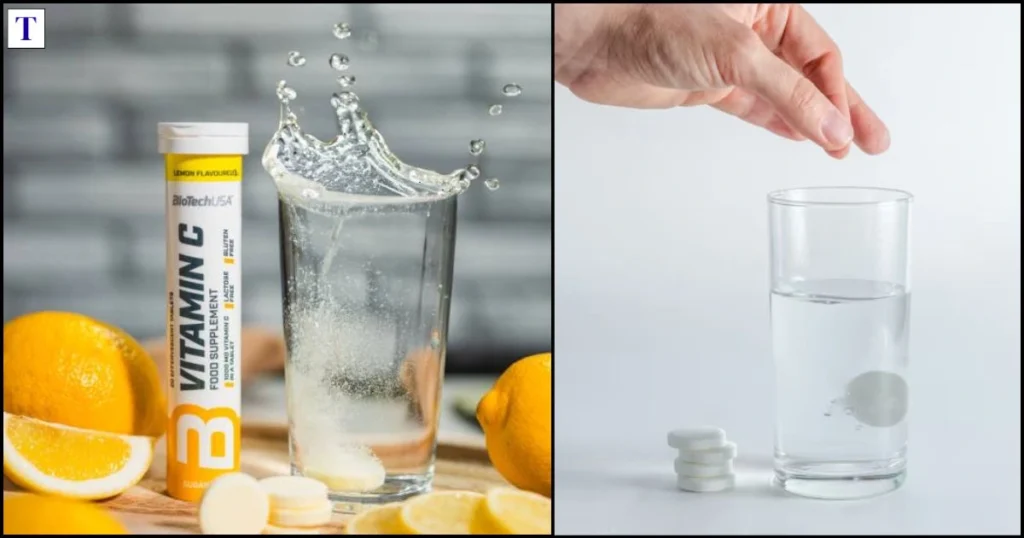

Effervescent tablets are a convenient way to take certain vitamins, minerals, electrolytes and medicines in the form of a fizzy drink. Instead of swallowing a conventional tablet whole, the product is dissolved in water, where it produces bubbles and breaks down into a drinkable solution. This format can be particularly useful for people who find ordinary tablets difficult to swallow or prefer taking supplements as a flavoured drink.
There are many different formulations available, ranging from vitamin C and multivitamin products to mineral supplements, electrolyte products and medicines for specific symptoms. Because their ingredients can vary considerably, their benefits and safety depend on the individual formulation rather than simply on the fizzy format. Understanding what these products are, how they are used, how to take them and what precautions may apply can help you make a more informed choice.
What Are Effervescent Tablets?
These are specially formulated solid tablets designed to dissolve in water before they are consumed. They generally contain an active ingredient together with acidic and alkaline components that react when they come into contact with water. This reaction produces carbon dioxide, creating the characteristic fizz while the tablet breaks down into a solution.
The resulting drink can contain vitamins, minerals, electrolytes or a medicinal ingredient, depending on the formulation. Unlike many ordinary tablets, this type of product is generally intended to be dissolved rather than swallowed whole. The amount of water and preparation method can differ between products, so the instructions on the packaging should always be followed. The bubbling action is simply part of the delivery system; it does not by itself determine how effective the active ingredient will be.
What Are Effervescent Tablets Used For?
The uses of these products depend on their active ingredients. Nutritional formulations commonly provide vitamin C, other vitamins, minerals or combinations of nutrients. Electrolyte versions may provide minerals such as sodium, potassium or magnesium. They can offer a convenient alternative to conventional supplements when a person prefers a drinkable format or has difficulty swallowing solid tablets.
The same format is also used for certain medicines. Some are intended for particular symptoms or medical conditions and can have completely different ingredients from nutritional supplements. A fizzy product should therefore not automatically be assumed to be a vitamin or general health supplement. Checking the active ingredients, strength, recommended dose, intended purpose and age restrictions is essential before use.
What Are the Benefits of Effervescent Tablets?
One of the main practical benefits is ease of use. Dissolving a tablet in water can be more comfortable for people who dislike swallowing conventional tablets. The drink format may also be appealing to people who prefer flavoured supplements, while simple preparation can make some products easier to include in an everyday routine. For certain users, this provides a useful alternative without requiring them to swallow a solid pill.
Another advantage is the wide range of formulations available. Consumers can find individual nutrients, combinations of vitamins and minerals, and electrolyte products in this form. This can make it possible to select a formulation according to a particular nutritional need. However, the format itself does not automatically make a product more effective than a conventional tablet. The nutritional or medicinal benefit comes from the active ingredient and appropriate dose, while the fizzy form mainly changes how that ingredient is delivered.
Effervescent Tablets for Kids
Products intended for children require extra care because young people may need different strengths and doses from adults. A formulation suitable for an adult should not automatically be given to a child. Age restrictions and instructions can vary even between products containing similar ingredients, and some medicines require carefully measured doses based on the child’s circumstances.
Particular caution is needed when a child is instructed to receive only part of a tablet or a measured amount of the dissolved solution. NHS Specialist Pharmacy Service guidance highlights the risk of inaccurate dosing when part-tablet doses are prepared for children. Incorrect preparation could result in too much or too little medicine being given. Parents and caregivers should follow the exact instructions supplied for the particular product and seek advice from a pharmacist or doctor when the dose or preparation method is unclear.
Effervescent Tablets for Cold Relief
Some products are marketed for cold and flu symptoms, but not every formulation intended for cold-related use works in the same way. A vitamin C product provides vitamin C and should not automatically be described as a cold treatment. Other soluble medicines may contain active ingredients specifically selected to relieve particular symptoms. The ingredients and instructions should therefore be checked carefully before use.
Vitamin C is important for normal immune function, but it should not be presented as a guaranteed cure for the common cold. Evidence suggests that regular vitamin C supplementation may modestly reduce the duration or severity of colds in some circumstances, while taking it after symptoms have already begun may not provide the same benefit. A vitamin C product is therefore best understood as a convenient source of the nutrient rather than a guaranteed cold remedy.
What Are the Advantages and Disadvantages of Effervescent Tablets?
These products offer several practical advantages. They provide an alternative for people who dislike swallowing conventional tablets, are generally simple to prepare, and are available in many flavours and formulations. Depending on the product, several nutrients can also be combined into one serving. For someone who prefers taking a supplement as a drink, this can make the format particularly convenient.
There are also disadvantages worth considering. Some formulations contain significant amounts of sodium, while others may contain sugar, sweeteners or additional ingredients that a person may want or need to limit. This can be particularly relevant for people following a low-sodium diet. These products may also cost more than conventional tablets containing the same active ingredient. Checking the nutritional and medicinal information on the label is therefore important rather than assuming that every formulation is suitable for everyone.
How and When Should You Take Effervescent Tablets?
These products should normally be dissolved in the amount of water specified on the packaging. Allow the tablet to finish dissolving before drinking the solution unless the instructions state otherwise. Do not normally swallow one whole or take it dry. Correct preparation is especially important when the product contains medicine because changing the preparation method could affect the dose received.
There is no universal best time to take every formulation. The appropriate timing depends on the active ingredient and the manufacturer’s directions. Some supplements may have instructions concerning meals, while medicines can have specific schedules. Follow the label or advice from a healthcare professional and do not take more than the recommended amount. If you use several medicines or supplements, compare their ingredients to avoid accidentally taking duplicate nutrients or medicines.
Are Effervescent Tablets Safe?
These products can be safe when an appropriate formulation is used correctly and according to its instructions. However, safety depends on the ingredients, strength and intended use. Some soluble medicines contain relatively high amounts of sodium because sodium compounds can be used in their formulation. This is particularly important for people who have been advised to reduce their sodium or salt intake.
Extra care is appropriate for children, people taking regular medicines and anyone with a medical condition or specific dietary restriction. Supplements should not automatically be considered harmless simply because they contain vitamins or minerals; excessive intake of some nutrients can cause unwanted effects. For example, high amounts of vitamin C can cause diarrhoea, nausea and stomach cramps. When there is uncertainty about a particular formulation, a pharmacist or doctor can assess its ingredients, dose and suitability.
(FAQs)
What are effervescent tablets used for?
They are used to provide vitamins, minerals, electrolytes and certain medicines in a drinkable form. Common examples include vitamin C, multivitamin, mineral and electrolyte products. Some medicines are also manufactured in this format, so the exact purpose depends on the active ingredients.
When should you take an effervescent tablet?
The appropriate time depends on the particular product. Some supplements have instructions about taking them with food, while medicines may have specific dosing schedules. The safest approach is to follow the directions on the packaging or the instructions provided by a healthcare professional.
Which is better, vitamin C tablets or effervescent?
Neither form is automatically better. Both conventional and effervescent products can provide vitamin C when they contain an appropriate amount. The drinkable version may be preferable for someone who dislikes swallowing tablets, while a conventional tablet may contain fewer additional ingredients. The choice generally depends on the formulation, convenience and personal preference.
Is it safe to use an effervescent tablet?
Many can be used safely when taken as directed, but safety depends on the ingredients and the person using the product. Check the label for the active ingredients, dose, age restrictions and warnings. Extra care may be necessary for children, people taking medicines and anyone who needs to limit sodium or particular nutrients.
Conclusion
Effervescent tablets provide a convenient way to take certain vitamins, minerals, electrolytes and medicines without swallowing a conventional tablet. Their familiar fizz comes from a reaction that occurs when the formulation is dissolved in water, while the actual purpose and benefits come from the active ingredients it contains.
The most suitable product depends on its purpose, ingredients, dosage and the person using it. Vitamin C supplements, electrolyte formulations and medicinal products should not be treated as interchangeable, and products intended for children require particular attention to age and dosing instructions. Read the label carefully, prepare the product exactly as directed, avoid unnecessary duplication with other supplements or medicines, and seek professional advice whenever you are unsure. Used appropriately, this convenient format can be a practical option, but the ingredients and suitability of the individual product matter far more than the fact that it is fizzy.



Pingback: Munchkin Kittens Price: UK and USA Cost Guide - Thedailyview