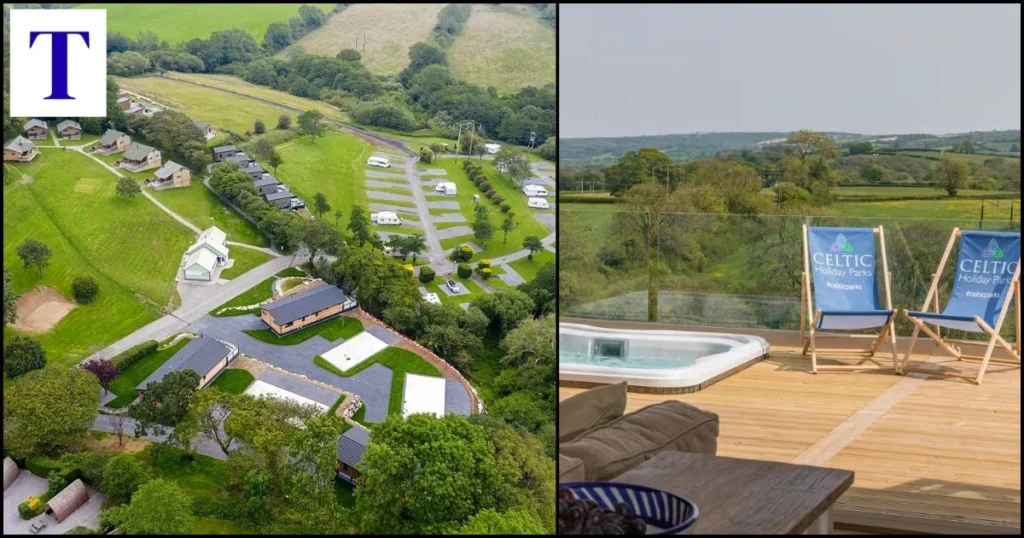

Celtic Holiday Parks Limited was a UK holiday park business associated with several popular holiday destinations in Pembrokeshire, South Wales. The company became known for offering holiday accommodation, leisure facilities and holiday-home ownership opportunities across its park portfolio. However, its position changed significantly when it entered administration in May 2025. This has left many visitors, holiday-home owners and potential customers searching for accurate information about the company, its parks and what happened to the business. Understanding the current position is particularly important before making a booking, purchasing a holiday home or relying on older information published online. This guide explains the history of Celtic Holiday Parks Limited, the parks connected with the business, its administration, what this means for customers and the key points to consider today.
What Is Celtic Holiday Parks Limited?
Celtic Holiday Parks Limited was a UK company involved in operating holiday parks in Pembrokeshire, Wales. The company was incorporated in 2002 and its registered business activity was recreational vehicle parks, trailer parks and camping grounds.
The business developed a portfolio aimed at people looking for family holidays, short breaks and longer stays in West Wales. Its accommodation options included caravans, lodges and other holiday accommodation, while its parks provided access to leisure facilities and local attractions.
The company became particularly associated with three Pembrokeshire locations: Noble Court Holiday Park, Meadow House Holiday Park and Croft Country Park.
Its location was a major part of its appeal. Pembrokeshire attracts visitors because of its beaches, coastal scenery, countryside, walking routes and family attractions. Staying at a holiday park gave visitors a convenient base for exploring the surrounding area.
Which Holiday Parks Were Associated With the Company?
Celtic Holiday Parks was associated with three main holiday park destinations in Pembrokeshire. Although they were marketed under the wider Celtic brand, their locations and character were slightly different.
Noble Court Holiday Park was located near Narberth and offered a countryside setting within reach of Pembrokeshire’s attractions and coastline. It appealed particularly to families and visitors wanting a peaceful base for exploring the region.
Meadow House Holiday Park was situated near Amroth and benefited from its coastal location. Its position made it attractive to visitors interested in beaches, sea views and coastal walks.
Croft Country Park was located near Reynalton, close to Kilgetty. It provided another countryside-based option, with accommodation including caravans and lodges.
An important distinction is that Croft Country Park was operated by a separate partnership, C, V & A Pendleton, which also entered administration in 2025. Therefore, readers should not automatically assume that the current ownership or operation of every park is identical.
What Happened to Celtic Holiday Parks Limited?
The most significant development in the company’s history occurred on 27 May 2025, when Celtic Holiday Parks Limited entered administration.
Companies House records show the company as being in administration. Alistair Wardell and Richard Lewis of Grant Thornton UK Advisory & Tax LLP were appointed as joint administrators.
Entering administration does not always mean that a business immediately closes. In this case, the holiday park business continued trading while the administrators explored options for the company and its assets.
The administrators sought a buyer for the business, with the objective of preserving value and potentially securing a future for the parks. This is an important distinction for customers: administration is a formal insolvency process, but it does not necessarily mean that customers are suddenly unable to visit a park.
The situation can, however, change over time, which is why current information is more important than older promotional material.
Why Did the Company Enter Administration?
There is no single publicly confirmed explanation that should be presented as the definitive reason Celtic Holiday Parks Limited entered administration.
Public records confirm the administration and subsequent efforts to market the holiday park business, but readers should be cautious about websites that state an unverified specific cause as fact.
Administration generally occurs when a company is experiencing financial or operational difficulties and needs protection while its future is assessed. Administrators can continue trading, restructure operations, sell assets or seek a buyer, depending on the circumstances.
For Celtic Holiday Parks Limited, the approach involved continuing the business while seeking potential buyers.
This matters because the parks themselves may have considerable commercial value even when the company operating them experiences financial difficulties. Established holiday destinations, accommodation units, facilities and attractive locations can all make a business potentially valuable to another operator.
What Were the Benefits of Celtic Holiday Parks?
The main attraction of the Celtic holiday park model was the combination of accommodation, leisure facilities and access to Pembrokeshire’s natural attractions.
Visitors could stay in a caravan or lodge and use the park as a base for exploring beaches, countryside and nearby towns. This could be particularly convenient for families who wanted accommodation with facilities rather than a traditional hotel.
The parks also provided different accommodation choices. A basic caravan holiday could suit travellers looking for a relatively simple break, while larger lodge accommodation could offer more space and comfort.
Another potential benefit was repeat use for holiday-home owners. Someone who regularly visited Pembrokeshire could have a familiar base instead of booking different accommodation for every trip.
Key benefits included:
- Pembrokeshire coastal and countryside locations
- Family-friendly holiday accommodation
- Caravan and lodge options
- Leisure facilities at associated parks
- Access to local beaches and attractions
- Options for short breaks and longer holidays
- Holiday-home ownership opportunities
These features helped make the parks suitable for different types of travellers.
Why Did People Choose Celtic Holiday Parks?
Location was one of the biggest reasons people chose the parks.
Pembrokeshire is well known for its coastline, beaches, countryside and outdoor activities. Visitors could spend part of their holiday at the park and use the rest of their time exploring the surrounding area.
Convenience was another factor. Holiday parks can combine accommodation with leisure facilities, food options and outdoor spaces. For families, having facilities nearby can make a holiday easier because there is less need to travel for every activity.
The variety of accommodation was also useful. Couples, families and groups can have different requirements, so having caravans and larger lodge-style accommodation provides greater choice.
Holiday-home ownership appealed to another group of customers. Rather than treating every visit as a completely new holiday, owners could have a regular base in an area they enjoyed.
However, holiday-home ownership is a financial commitment rather than simply another type of holiday booking, so buyers need to understand all ongoing costs and contractual conditions.
What Are the Pros and Cons?
Like any holiday park business, there were advantages and disadvantages to choosing a park associated with Celtic Holiday Parks.
Pros
- Attractive locations in Pembrokeshire
- Access to beaches and countryside
- Several accommodation options
- Suitable for families and couples
- Holiday facilities available at associated parks
- Convenient base for exploring West Wales
- Holiday-home ownership opportunities
Cons
- The company’s administration creates uncertainty
- Park ownership and management arrangements can change
- Holiday-home ownership involves ongoing expenses
- Site rules can restrict how a holiday home is used
- Resale arrangements need careful consideration
- Older online information may no longer reflect current circumstances
The final point is particularly important. Information published before the administration may describe the business as it operated previously, rather than its current position.
Anyone considering a booking or holiday-home purchase should therefore verify the latest arrangements before making a financial commitment.
What Does Administration Mean for Customers?
For customers, administration can be confusing because it does not necessarily mean a holiday park closes immediately.
When Celtic Holiday Parks Limited entered administration, the administrators continued trading the business while looking for a buyer. Customers with existing bookings were advised that arrangements would continue unless they were contacted with different information.
Holiday-home owners were also able to continue accessing their parks under the arrangements in place during the administration.
However, administration means that the business is undergoing a formal process, so future arrangements can potentially change.
Customers should therefore keep booking confirmations, receipts, contracts and correspondence. If making a new booking, it is sensible to confirm who currently operates the park and carefully review the booking terms.
Holiday-home owners should be even more cautious. They should keep copies of their ownership documents and understand who is responsible for the park, what fees apply and what contractual conditions govern their holiday home.
Is Celtic Holiday Parks Limited Still Trading?
The legal position should be separated from the question of whether individual parks continue operating.
Companies House records Celtic Holiday Parks Limited as in administration, with the administration beginning on 27 May 2025.
Subsequent filings show that the administration process continued after the original appointment. This means it would be inaccurate to describe the company simply as an ordinary active holiday park operator without mentioning its administration status.
At the same time, administration does not automatically mean that every associated holiday park has permanently closed.
The operation of an individual park can depend on its ownership, management structure and any sale or restructuring that takes place during the administration process.
For this reason, anyone planning a visit should check the current position of the specific park rather than relying solely on the historic Celtic Holiday Parks brand.
What Should You Check Before Booking?
If you are considering staying at a park previously associated with Celtic Holiday Parks, a few simple checks can reduce the risk of confusion.
First, confirm the current operator of the specific park. This is particularly important because ownership and management can change during insolvency proceedings.
Next, check your accommodation details, dates, cancellation terms and payment arrangements before making a booking.
If you are purchasing a holiday home, the checks should be much more detailed. Ask for the current agreement and understand all charges before signing anything.
Important points to check include:
- Who currently operates the park?
- Who is legally selling the holiday home?
- What are the annual pitch or site fees?
- Are there additional maintenance charges?
- What are the park’s opening and usage rules?
- Can the holiday home be resold freely?
- Are there restrictions on subletting?
- What happens if the park changes ownership?
- Which facilities are currently available?
A low purchase price does not necessarily mean a holiday home is a good investment. Running costs, depreciation, site fees and resale conditions can significantly affect its overall value.
Is Celtic Holiday Parks Limited Worth Considering?
Whether a holiday connected with the former Celtic Holiday Parks portfolio is worth considering depends on the individual park and its current operating arrangements.
From a destination perspective, Pembrokeshire remains an appealing choice for a holiday. Its coastline, beaches, countryside and outdoor attractions provide plenty to do beyond the holiday park itself.
The historic strengths of the parks were their locations, accommodation choices and family-friendly facilities. These factors can still make the area attractive to holidaymakers.
The administration is the main reason for taking additional care. Visitors should confirm current booking arrangements before paying, while anyone considering a holiday-home purchase should conduct considerably more research.
For a normal holiday, the destination may still provide an enjoyable experience if the park is operating normally and the booking terms are clear.
For holiday-home ownership, the decision is more complicated. Buyers should assess the full financial commitment rather than focusing only on the purchase price.
(FAQ’s)
What is Celtic Holiday Parks Limited?
Celtic Holiday Parks Limited was a UK holiday park company associated with holiday destinations in Pembrokeshire, South Wales. Its portfolio was associated with Noble Court Holiday Park, Meadow House Holiday Park and the wider Celtic Holiday Parks brand.
Is Celtic Holiday Parks Limited in administration?
Yes. Celtic Holiday Parks Limited entered administration on 27 May 2025 and remains recorded as being in administration in Companies House records.
Which parks were associated with Celtic Holiday Parks?
The main parks associated with the Celtic Holiday Parks brand were Noble Court Holiday Park, Meadow House Holiday Park and Croft Country Park. However, Croft Country Park was operated by a separate partnership, so its legal and operational position should be considered separately.
Can I still visit a Celtic Holiday Park?
The position can vary by individual park and current operator. The fact that Celtic Holiday Parks Limited entered administration does not automatically mean every associated park permanently closed. Customers should verify the current operating and booking arrangements before travelling.
Is buying a holiday home at one of these parks a good idea?
It can only be assessed after checking the current operator, ownership agreement, pitch fees, maintenance costs, site rules and resale conditions. The company’s administration makes these checks particularly important.
Conclusion
Celtic Holiday Parks Limited was an established holiday park business offering visitors a convenient way to enjoy Pembrokeshire’s beaches, countryside and attractions. Its associated parks attracted families, couples and holiday-home owners because of their locations, accommodation choices and leisure facilities. However, the company’s entry into administration on 27 May 2025 has made its current position more complicated, and older information should be treated carefully.
For holidaymakers, checking the current park operator, booking conditions and available facilities is essential before making a payment. Anyone considering a holiday-home purchase should also investigate site fees, ownership terms, maintenance costs and resale conditions. Overall, Celtic Holiday Parks Limited remains an important search for people researching these Pembrokeshire holiday parks, but current and verified information should always guide your decision.