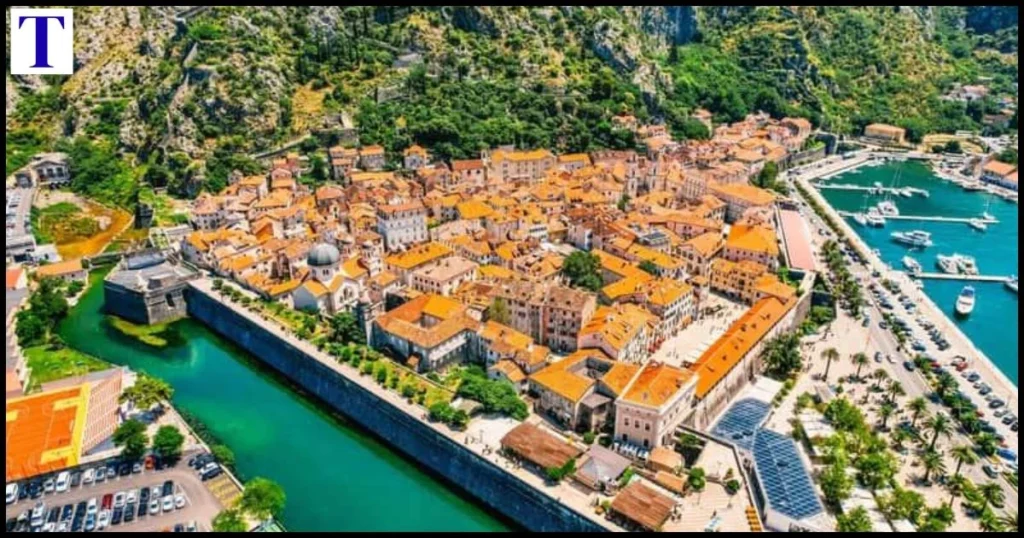

Kotor, Montenegro, is a remarkable Adriatic destination where a medieval walled town sits beneath dramatic limestone mountains beside the Bay of Kotor. The term Kotora Melnkalne refers to Kotor in Montenegro, a historic coastal town known for its Venetian-influenced architecture, ancient churches, maritime heritage and spectacular scenery. Unlike a conventional beach resort, Kotor combines cultural sightseeing with hiking, boat trips, swimming and scenic excursions. Its compact Old Town is easy to explore on foot, while the surrounding bay provides access to places such as Perast, Our Lady of the Rocks, Lovćen and Budva. Understanding Kotor’s location, attractions, accommodation and seasonal conditions helps travellers plan a more comfortable visit and experience more than just the famous Old Town.
Kotor Montenegro at a Glance
Kotor stands at the southeastern end of the Bay of Kotor in southwestern Montenegro, surrounded by steep mountains and sheltered coastal waters. Its dramatic setting is central to the visitor experience, with historic stone buildings positioned between the bay and the slopes behind the town. The Old Town is enclosed by historic fortifications that extend towards San Giovanni Fortress, while its narrow streets contain churches, museums, squares, restaurants and traditional buildings reflecting centuries of Mediterranean history.
Kotor works particularly well for travellers who want several experiences in one destination. A short visit can cover the Old Town, waterfront and major landmarks, while a longer stay allows time for the fortress, boat excursions and nearby settlements. Kotor is also a useful base for exploring southwestern Montenegro, with Perast, Budva and Lovćen suitable for wider itineraries.
| Travel detail | Information |
|---|---|
| Country | Montenegro |
| Region | Southwestern Montenegro |
| Main attraction | Historic Old Town |
| Natural setting | Bay of Kotor and surrounding mountains |
| Closest airport | Tivat Airport |
| Recommended stay | 2–3 nights |
| Best known for | History, scenery and coastal experiences |
Where Is Kotor, Montenegro?
Kotor is located at the innermost section of the Bay of Kotor in southwestern Montenegro. The bay is often compared visually with a fjord because of its narrow waterways and steep mountains, although its geological formation is different. Tivat and Tivat Airport are relatively close, while Podgorica is farther away and road journeys can take longer than expected because routes follow mountainous terrain and the winding coastline.
Its location makes Kotor valuable for a wider Montenegro itinerary. Perast is nearby, while Budva provides a different coastal atmosphere with beaches and nightlife. Lovćen offers a mountain experience and a chance to explore the country’s inland landscape. Travellers can therefore combine historic sightseeing, coastal scenery and outdoor activities without constantly changing accommodation.
Kotor Old Town and Its Medieval Heritage
Kotor Old Town is the cultural heart of the destination and contains a dense collection of historic buildings within its fortified walls. Its architecture reflects centuries of Mediterranean history, with Venetian influence visible in stone façades, churches, squares and civic buildings. St Tryphon Cathedral is one of the major landmarks, while St Luke’s Church, St Nicholas Church and the Maritime Museum provide further insight into Kotor’s religious and maritime heritage.
The Old Town is best explored slowly rather than rushed between attractions. Its narrow lanes lead to small squares and courtyards, while the surrounding fortifications reveal the settlement’s defensive importance. Early morning is useful during busy periods because the centre becomes more crowded later in the day. Visitors should also expect uneven stone paving and steps, which can require additional care for travellers with mobility limitations.
Best Things to Do in Kotor Montenegro
Exploring the Old Town is the natural starting point, but Kotor becomes more rewarding when cultural sightseeing is combined with its surrounding landscape. The waterfront provides an easy walk beside the bay, while the route towards San Giovanni Fortress offers panoramic views over the historic centre. Boat excursions reveal the bay from the water and can connect visitors with nearby attractions, including Perast and Our Lady of the Rocks.
The fortress climb is one of Kotor’s most memorable activities but requires reasonable fitness. The route contains many stone steps and uneven surfaces, and summer temperatures can make it considerably more demanding. Comfortable footwear, water and an early start are advisable. Travellers who prefer a relaxed itinerary can focus on the Old Town and waterfront, then use a boat excursion to experience the wider bay without undertaking the steepest walking route.
Kotor Fortress and the City Walls
Kotor’s defensive walls extend from the historic settlement up the mountainside towards San Giovanni Fortress. Their elevated position reflects the strategic importance of Kotor and provides impressive views over the Old Town and bay. From higher sections, the compact historic centre becomes clearly visible against the surrounding limestone mountains, making the climb valuable for visitors interested in photography as well as history.
The route should be treated as a proper hike rather than an easy sightseeing walk. Steep steps, uneven stone and limited shade can make the climb difficult during hot weather. Visitors should take breaks and wear suitable shoes, while people with mobility limitations may prefer to explore the lower historic areas instead. Families should also consider children’s stamina before attempting the full ascent.
Bay of Kotor Views and Coastal Scenery
The Bay of Kotor is one of the destination’s defining attractions. Mountains rise dramatically from the water, creating a landscape where historic settlements and churches appear between the coastline and steep slopes. A waterfront walk provides close views, while elevated locations show the unusual shape of the bay and its surrounding settlements.
A boat trip is particularly useful for understanding the scale of the area. From the water, travellers can see Kotor’s position within the wider bay and reach places that may be less convenient by road. Perast is a worthwhile addition because its smaller historic centre contrasts with Kotor’s fortified town. Exploring beyond the Old Town therefore adds considerably more depth to a visit.
Beaches and Swimming Spots Near Kotor
Kotor is not primarily a sandy-beach destination. Swimming around the town and bay usually involves smaller waterfront areas, rocky or pebbled sections and bathing platforms. The attraction is the combination of water and mountain scenery rather than extensive resort beaches, making swimming easy to combine with sightseeing during warm weather.
Travellers who want larger sandy beaches should consider adding Budva or another Montenegrin coastal destination to their itinerary. Kotor is better suited to visitors interested in a mixture of heritage, scenery and coastal activities. Anyone swimming around the bay should pay attention to local conditions, boat movement and the shoreline, particularly when travelling with children.
Is Kotor Montenegro Safe for Tourists?
Kotor is generally a straightforward destination for tourists who follow normal travel precautions. The Old Town and waterfront can become very busy during summer, particularly when cruise passengers arrive, so visitors should keep valuables secure and remain aware of their surroundings. Traffic should also be considered when leaving pedestrian areas and travelling around the bay.
The terrain creates a separate safety consideration. The fortress route contains steep steps and exposed sections, while summer heat can increase physical strain. Proper footwear, sufficient water and sensible timing are important for anyone attempting the climb. Travellers should also check weather conditions before mountain activities and avoid treating difficult routes as casual walks.
Best Time to Visit Kotor
Late spring and early autumn are attractive for travellers seeking pleasant sightseeing conditions with fewer crowds than the busiest summer period. These seasons are suitable for walking through the Old Town, exploring viewpoints and taking trips around the bay. Summer provides the warmest conditions for swimming and boating but also brings the highest visitor numbers, making early-morning sightseeing particularly useful.
Winter offers a quieter atmosphere for visitors mainly interested in architecture, photography and peaceful exploration. Some tourism businesses may operate reduced schedules outside the main season. Summer is therefore strongest for traditional coastal activities, spring and autumn are excellent for active sightseeing, and winter suits travellers who prefer a quieter historic setting.
Where to Stay in Kotor
Accommodation inside or close to the Old Town provides easy access to historic attractions, restaurants and evening walks. This is especially convenient for short visits because much of the sightseeing can be completed on foot. However, historic properties may have stairs, limited parking, smaller rooms and restricted vehicle access, so travellers carrying large luggage should check access arrangements before booking.
Accommodation farther from the Old Town can offer more space, parking and quieter surroundings, while waterfront properties may provide attractive bay views. Travellers using a car should check road access carefully because the bay’s geography can make seemingly short distances take longer. Air conditioning, parking, walking distance and luggage access are particularly important considerations during summer.
Kotor Montenegro Food and Local Dining
Kotor’s cuisine reflects its position between the Adriatic and the Balkan interior. Seafood is naturally prominent, while local cheeses, cured meats, vegetables and Mediterranean-style dishes provide variety. Travellers exploring the wider region can also try Njeguški pršut, a traditionally cured and smoked ham associated with the mountain village of Njeguši.
Restaurants inside the Old Town are convenient, but the busiest squares can become crowded during peak periods. Exploring quieter streets can provide a more relaxed dining experience. Visitors can also use lunch as a break from summer heat and choose regional dishes rather than relying only on familiar international food.
Day Trips From Kotor
Perast is one of the easiest and most worthwhile excursions from Kotor. Its smaller historic setting, waterfront architecture and connection with Our Lady of the Rocks make it a natural addition to a Bay of Kotor itinerary. A boat journey to the island provides a different perspective on the area’s religious and maritime history.
Longer stays can include Budva, Lovćen National Park and Njeguši. Budva offers beaches, nightlife and another historic centre, while Lovćen introduces a mountain landscape and Njeguši provides an opportunity to experience traditional food and mountain culture. Summer traffic should be considered because roads around the bay can become congested.
Kotor Travel Costs and Practical Planning
The cost of visiting Kotor depends on the season, accommodation, dining and excursions. Summer generally brings greater demand and can increase accommodation prices, while shoulder-season travel may offer better value. Central accommodation is convenient but properties farther from the Old Town can provide additional space and parking. Boat trips and private tours also increase the overall budget.
Travellers can manage costs by deciding which experiences matter most before arriving. Someone focused on historic sightseeing may benefit from staying centrally and walking, while a visitor interested in the wider bay may prefer accommodation outside the centre and spend more on excursions. This approach creates better value than simply choosing the cheapest available option.
Is Kotor Worth Visiting?
Kotor is worth visiting for travellers interested in historic architecture, dramatic landscapes, local food and coastal exploration. Its appeal comes from the combination of experiences rather than one attraction: the Old Town provides cultural depth, the fortress offers an active challenge, and the bay creates opportunities for boating and scenic excursions.
A two- or three-night stay gives first-time visitors enough time to explore without rushing. Additional days allow excursions to Perast, Budva, Lovćen and other areas around Montenegro. Kotor is less suitable for travellers seeking a conventional sandy-beach resort, but for those who value heritage, scenery and active sightseeing, it offers an unusually rich experience.
(FAQ’s)
What is Kotor famous for?
Kotor is famous for its medieval Old Town, defensive walls, historic churches, maritime heritage and spectacular position on the Bay of Kotor. The surrounding mountains are an equally important part of its identity.
How many days are enough for Kotor?
Two to three nights are suitable for a first visit. This allows time for the Old Town, major landmarks, waterfront and fortress area, with longer stays useful for exploring nearby destinations.
Is Kotor suitable for families?
Yes, although families should consider uneven paving, steps and the demanding fortress route. The Old Town and waterfront are easier to explore, while boat excursions offer an alternative to steep mountain walks.
Can you visit Kotor without a car?
Yes. The Old Town is compact and best explored on foot, while taxis, buses, boats and organised excursions can cover longer journeys. A car becomes more useful for independent exploration of the wider region.
Is Kotor better than Budva?
The destinations offer different experiences. Kotor is stronger for historic architecture, mountain scenery and cultural sightseeing, while Budva is better suited to travellers seeking beaches, nightlife and a traditional resort atmosphere.
Conclusion
Kotora Melnkalne, referring to Kotor in Montenegro, is a destination where historic architecture, maritime culture and dramatic mountain scenery come together. Its Old Town provides centuries of history within a compact area, while the Bay of Kotor offers boat trips, swimming, photography and scenic excursions. It is not designed as a conventional sandy-beach resort, and its steep terrain and summer crowds require some planning, but these factors are manageable when the itinerary is chosen carefully.
For most first-time visitors, two or three nights provide a strong introduction, while longer stays allow exploration of Perast, Lovćen, Budva and the wider bay. Starting sightseeing early, selecting accommodation carefully and allowing realistic travel times can make the trip more comfortable. For travellers who value heritage, scenery, walking and coastal character, Kotor is one of Montenegro’s most rewarding destinations and deserves a place on a well-planned Adriatic itinerary.