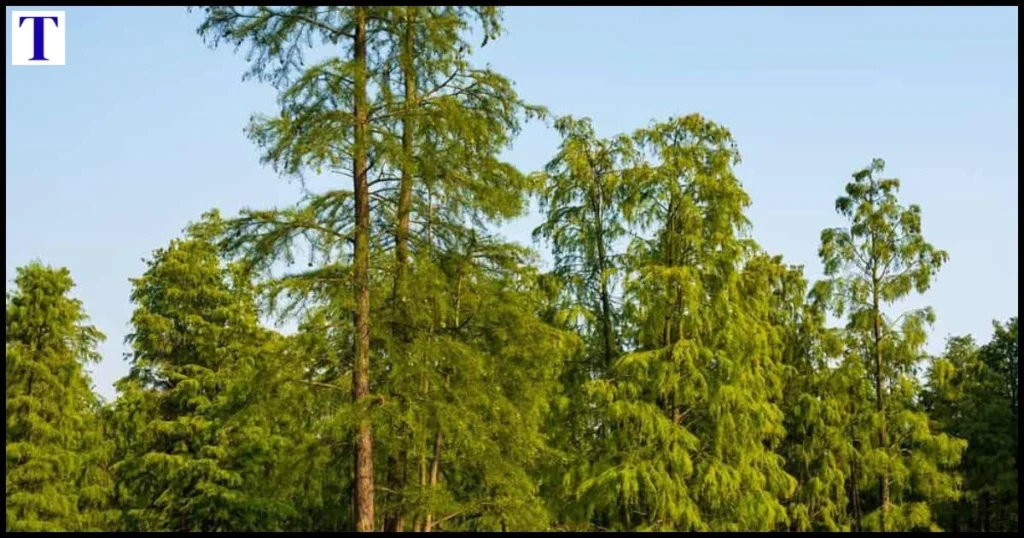

Pond cypress (Taxodium ascendens) is a deciduous conifer known for its upright growth, delicate foliage and ability to grow in moist environments. Native to the southeastern United States, this tree is commonly found around shallow ponds, wet depressions and seasonally flooded areas. Although it resembles bald cypress, differences in foliage and growth habit can help gardeners distinguish the two.
This tree can add height, texture and seasonal colour to a suitable landscape. However, its mature size and growing requirements are important considerations before planting. Whether you want to identify the species, understand its growth rate or decide if it suits your garden, this guide explains its main characteristics, natural habitat, growing conditions and potential benefits.
What Is a Pond Cypress Tree?
Scientifically known as Taxodium ascendens, this tree belongs to the cypress family, Cupressaceae. Unlike evergreen conifers that retain their foliage throughout the year, it loses its leaves in autumn or winter. Its narrow form, slender branches and textured bark give mature specimens a distinctive appearance.
The species is native to the southeastern United States, particularly Florida and nearby areas. It naturally grows in wet depressions, shallow ponds and other low-lying habitats that may experience seasonal flooding. Although it tolerates poorly drained soil, it does not necessarily need permanent standing water. Sunlight, moisture, soil conditions and available space all influence its development.
What Do Pond Cypress Leaves Look Like?
The leaves are small, soft and arranged closely along slender branchlets, creating a fine-textured appearance. During spring and summer, the foliage is generally green and gives the branches a delicate, feathery effect. This texture provides an attractive contrast to broad-leaved plants in naturalistic gardens and larger landscape designs.
In autumn, the foliage typically changes to yellow, orange or rusty brown before falling. The bare branches remain visible during winter, revealing the tree’s upright structure. This seasonal change is one of its most noticeable features. Leaf arrangement can also help distinguish this species from bald cypress, although foliage alone may not provide a definitive identification.
Pond Cypress vs Bald Cypress: Key Differences
Pond cypress and bald cypress are closely related trees with several shared characteristics. Both are deciduous conifers, tolerate wet growing conditions and may develop woody projections known as cypress knees. However, their typical foliage and growth habits can help distinguish them.
The pond species generally has shorter leaves that lie closely against the branchlets and often develops a narrower, more upright crown. Bald cypress commonly has more spreading foliage and may form a broader crown in open landscapes. These are general tendencies rather than absolute rules, as individual trees can vary.
| Feature | Pond Cypress | Bald Cypress |
|---|---|---|
| Scientific name | Taxodium ascendens | Taxodium distichum |
| Growth habit | Often narrow and upright | Often broader in open settings |
| Foliage | Short leaves closely arranged along branchlets | Typically more spreading foliage |
| Seasonal behaviour | Deciduous | Deciduous |
| Growing conditions | Moist soil and seasonal flooding | Moist soil and a range of wetland conditions |
If you are buying a tree, check its botanical name rather than relying only on its common name. The two species are similar enough that a nursery label is more useful than appearance alone.
How Big Does a Pond Cypress Grow?
This tree commonly reaches approximately 50–60 feet tall under suitable growing conditions, although some specimens may become taller. Its crown is often relatively narrow compared with that of many large shade trees. The final height and spread depend on the tree’s age, climate, soil and surrounding vegetation.
Its mature size makes planting location particularly important. Allow adequate distance from buildings, boundaries, overhead wires, paths and underground services. A young nursery specimen may look small and manageable, but it can develop into a substantial landscape tree over time. It is generally better suited to large gardens, parks, open spaces and natural pond edges than to small courtyards or narrow planting beds.
Pond Cypress Growth Rate and Growing Conditions
This species is generally described as relatively fast-growing when it receives suitable sunlight, moisture and soil conditions. However, its growth rate is not identical in every location. Young specimens may initially focus on establishing their roots, while climate, competition and seasonal conditions can affect subsequent growth.
Full sun and consistently moist soil generally support healthy development. It tolerates poorly drained ground and seasonal flooding, making it useful for suitable wet landscapes. Water newly planted trees during dry periods, particularly while their roots are becoming established. A layer of mulch can help retain moisture, but keep it away from direct contact with the trunk. Gardeners outside its native range should also check whether their local climate is suitable before planting.
What Are Pond Cypress Knees?
Cypress knees are woody projections that may develop around the base of trees growing in wet environments. They are associated with cypress species and can emerge from the roots above the soil surface. Their size and number vary according to the tree and its growing conditions, and they are not necessarily present on every specimen.
These projections can add visual interest to natural pond edges and wetland-style landscapes, but they may be inconvenient in lawns or frequently used garden areas. If you are planning to plant this tree near paths, mowing areas or outdoor seating, consider where its roots may spread and whether exposed projections could interfere with everyday use.
Is Pond Cypress Worth Growing?
This tree is worth considering if you have a large garden, natural pond, wet area or open landscape where a tall, upright specimen would be suitable. Its tolerance of moist soil, fine foliage and seasonal colour make it an appealing choice for naturalistic planting. Mature trees may also contribute shelter and habitat for wildlife when included in an appropriate landscape.
However, it is not the right tree for every property. Its mature height, winter leaf loss and possible development of cypress knees should all be considered before planting. It should not be treated as a universal solution for drainage problems, and regular pruning is not a substitute for choosing an appropriate location. If space is limited or year-round foliage is essential, a smaller or evergreen alternative may be more suitable.
(FAQs)
Is pond cypress the same as bald cypress?
No. They are closely related but are generally distinguished by differences in foliage arrangement and growth habit. Checking the scientific name is helpful when identifying or buying a tree.
How tall does pond cypress grow?
It commonly reaches around 50–60 feet under suitable conditions, although some specimens grow taller. Its mature size depends on the environment, so allow adequate space before planting.
Does pond cypress lose its leaves in winter?
Yes. It is a deciduous conifer. Its foliage generally turns yellow, orange or rusty brown in autumn before falling, leaving the branches bare during winter.
How fast does pond cypress grow?
It is generally considered relatively fast-growing under suitable conditions. Actual growth depends on sunlight, soil moisture, climate and root establishment, so a fixed annual height increase cannot be guaranteed.
Can pond cypress grow in a garden?
Yes, if the garden provides suitable sunlight, soil conditions and enough space for the mature tree. It is usually more appropriate for large gardens and moist landscapes than for small courtyards.
Conclusion
Pond cypress is a distinctive deciduous conifer valued for its upright growth, delicate foliage and tolerance of moist growing conditions. Its seasonal colour and suitability for wet landscapes make it an attractive option for large gardens, natural pond edges and carefully planned landscape projects. Its foliage, mature form and potential to develop cypress knees also make it an interesting species for gardeners who appreciate distinctive trees.
The most important step is choosing the right planting location. A mature tree can reach considerable height, lose its foliage in winter and develop root projections that may affect nearby lawns or paths. Before planting, confirm the species, check its suitability for your climate and allow sufficient room for future growth. When these requirements match your garden, it can become a lasting landscape feature.



Pingback: Birthday Gifts News and Trending Gift Ideas