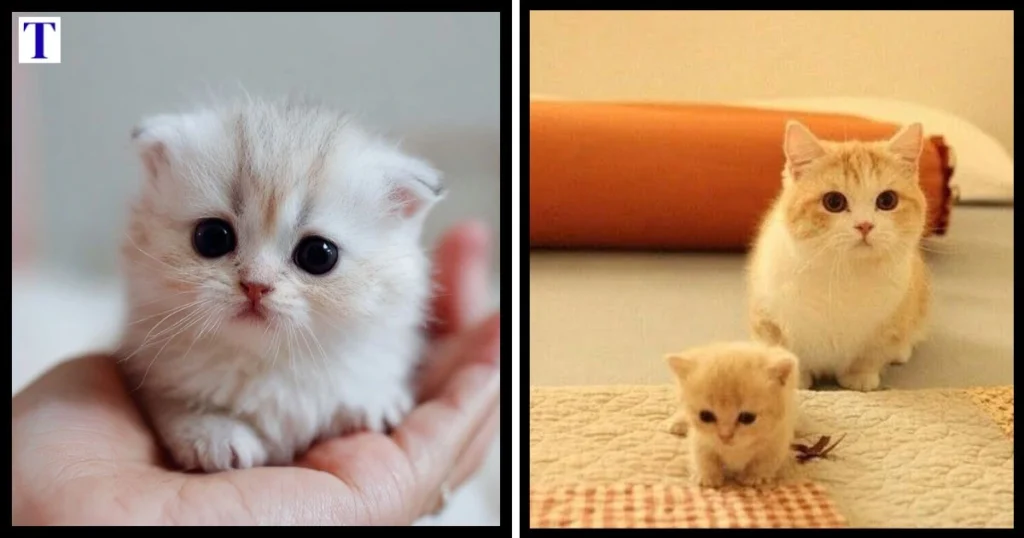

Munchkin cats are recognised for their short legs, curious personalities and playful behaviour. Their distinctive appearance attracts people looking for an unusual feline companion, but choosing one requires more than comparing prices. Prospective owners need to understand the purchase cost, routine care expenses, potential veterinary needs and welfare questions associated with breeding cats for disproportionately short legs.
The Munchkin Kittens Price varies according to location, seller, age, coat pattern, pedigree and the care included in the sale. In the UK, classified adverts can show prices ranging from a few hundred pounds to several thousand pounds, although some listings are for crossbreeds or related cats rather than Munchkins alone. In the USA, a 2026 Catster price guide gives an indicative breeder price of approximately $1,000–$2,000, but individual sellers may advertise different amounts. These figures are not guaranteed prices or independently established national averages.
This guide compares advertised costs in both countries, explains the expenses that follow the purchase and outlines what to check before choosing a cat. It also covers adoption options and important animal-welfare considerations, helping readers make a more informed decision.
Munchkin Kittens Price in the UK
UK classified adverts show a wide range of asking prices. For example, Pets4Homes Munchkin listings have included individual adverts around £350, £700, £1,100 and £1,500, while some related Minuet cats have been advertised for more than £2,000. These examples illustrate the variation in advertised prices; they are not a representative survey of the UK market. Listings can change or disappear, and adverts may include older kittens, crosses or related types, so check the description carefully before comparing offers.
Before buying in the UK, ask what the seller has done to support the kitten’s health and development. Request available vaccination, microchip and veterinary records, confirm the kitten’s age and ask about the parents’ health. Where possible, see the kitten with its mother in the environment where it has been raised. Do not rely solely on photographs or a seller’s promise that the animal is healthy. A low price is not necessarily a bargain if important care has been missed, while a high price does not remove the need for independent veterinary advice. If the seller refuses reasonable checks or pressures you to pay immediately, consider walking away.
Munchkin Kittens Price in the USA
In the United States, asking prices vary by breeder, location, kitten background and what the sale includes. Catster’s 2026 guide gives an indicative breeder purchase range of approximately $1,000–$2,000, while individual catteries may advertise prices outside that range. Treat these figures as a general reference rather than a verified national average. Advertisements may also describe a particular cross or related short-legged cat, so confirm the seller’s description before using a listing to plan your budget.
US buyers should request veterinary records, vaccination details, information about parasite treatment and a written purchase agreement. Ask what happens if an independent veterinarian identifies a health concern shortly after the kitten arrives. Check the seller’s identity and location, and arrange an in-person visit or live video call when possible. Be cautious if the seller will not show the kitten’s living conditions, requests an irreversible payment or promises guaranteed health without supporting evidence. If the kitten must be transported, check the relevant animal-health and transport requirements as well as the cost of getting it home safely.
What Affects Munchkin Cat Prices?
Several factors can influence the asking price, but they do not all tell you something meaningful about the kitten’s health. Age, location, demand, coat colour, pedigree claims and the seller’s costs may affect the amount. Initial veterinary care and registration paperwork may also influence the price. Some adverts use terms such as “rare”, “show quality” or “extra short legs” to justify a premium. These descriptions should not replace evidence about the animal’s background, condition and welfare.
Use the following checklist when comparing kittens:
- Veterinary care: Ask which examinations, vaccinations and parasite treatments have been completed.
- Health records: Request the kitten’s history and any available information about its parents.
- Living conditions: Check cleanliness, socialisation and whether the kitten can be seen with its mother.
- Written terms: Confirm the total price, deposit conditions, collection arrangements and any health-related agreement.
- Breed description: Establish whether the cat is described as a Munchkin, a crossbreed or a related type.
- Welfare: Ask about mobility and whether a vet has assessed concerns related to the kitten’s body structure.
The most expensive kitten is not necessarily the healthiest, and registration papers alone cannot guarantee lifelong wellbeing. A seller should be willing to discuss reasonable questions openly, including possible health concerns. If an advert focuses mainly on extreme physical features but offers little information about veterinary care, treat that as a reason to investigate further rather than a reason to pay more.
Adoption vs Buying a Munchkin Kitten
Adoption may be an alternative to buying from a breeder. A Munchkin or short-legged cat may occasionally be available through a rescue organisation, but availability varies by area and may be limited. Adoption fees depend on the organisation and may cover routine care such as vaccinations, microchipping, parasite treatment or neutering. Ask for a breakdown because these services are not included in every adoption fee. You can also consider adopting a cat without deliberately bred short-legged characteristics if your main aim is to find a playful and affectionate companion.
Contact local shelters and explain your household, experience with cats and ability to meet ongoing care needs. Ask about the cat’s temperament, medical history, mobility and any special requirements. An adult cat may suit some homes because its established personality is easier to assess than a young kitten’s. Adoption does not mean veterinary expenses will disappear, so budget for routine care and unexpected treatment regardless of where the cat comes from. It can, however, provide a home to an animal in need without directly supporting breeding for a particular appearance.
Monthly Costs and Lifetime Expenses
The initial purchase fee is only one part of the cost of owning a cat. Regular expenses include complete cat food, litter, toys, scratching equipment, routine veterinary appointments and preventative treatments recommended by a vet. The total depends on the animal’s needs, the cost of supplies in your area and the standard of care you choose. Grooming needs can also vary with coat length. Before bringing a kitten home, research local prices for food, litter and veterinary services instead of assuming that the purchase price reflects the total financial commitment.
You should also plan for less predictable costs, including neutering if it has not already been completed, dental treatment, diagnostic tests, medication and emergency appointments. Pet insurance may help with eligible veterinary expenses, but premiums, excesses, exclusions and pre-existing-condition rules differ between policies. Read the policy carefully and ask the insurer how it treats breed-related or inherited conditions. Keep some money available for expenses that insurance does not cover, and ask a local veterinary practice for an estimate of routine fees. A realistic budget should cover both ordinary monthly care and the possibility of a significant unexpected bill.
Before bringing a kitten home, budget for:
- The purchase or adoption fee
- A secure carrier, litter tray, bowls, bedding and scratching equipment
- Food, litter and replacement toys
- Initial and ongoing veterinary appointments
- Vaccinations, microchipping and neutering where needed
- Insurance premiums or an emergency fund
- Grooming and any additional care recommended by a vet
Munchkin Cat Health Problems and Welfare Concerns
Munchkin cats have short legs associated with a genetic form of disproportionate dwarfism. This physical characteristic raises questions about skeletal development, movement and the ability to perform normal feline behaviours comfortably. Potential concerns discussed in veterinary and animal-welfare contexts include joint abnormalities, pain, reduced mobility and difficulty with activities such as jumping or grooming. The severity of any problem can vary between individual cats, and it would be inaccurate to claim that every Munchkin will develop the same condition. Equally, an apparently active kitten should not be assumed to be free of future risks simply because it seems well at the time of sale.
The UK Government’s Animal Welfare Committee discusses the wider effects of selecting cats for physical traits and inherited conditions in its report on the welfare implications of feline breeding practices. Prospective owners should read this evidence and consider whether buying a cat bred for a pronounced physical feature aligns with their welfare priorities. If you already care for one, arrange regular veterinary check-ups and seek advice if you notice stiffness, reluctance to jump, reduced activity, changes in grooming or signs of discomfort. Maintain a healthy weight and provide accessible resting places, litter trays, food and water. Never give human painkillers or supplements without veterinary advice.
How to Choose a Responsible Munchkin Cat Breeder
If you decide to investigate a breeder, take time to check the kitten’s background and the conditions in which it has been raised. Ask to see the kitten with its mother and littermates, observe whether the animals appear comfortable and alert, and check that the environment is clean. Request the kitten’s date of birth, available veterinary records and details of any health checks carried out on the parents. A trustworthy seller should be prepared to answer questions, explain what they know and acknowledge what they cannot guarantee. Be cautious of anyone who dismisses all welfare concerns or claims that a kitten is certain to remain healthy for life.
Before paying a deposit, obtain the total price, payment terms, collection arrangements and any health-related agreement in writing. Verify the seller’s identity and check the licensing requirements that apply in the relevant location. Do not treat a polished website, social-media reviews or registration documents as sufficient proof of responsible breeding. Avoid sellers who pressure you to decide immediately, refuse a suitable visit or will not provide records. If you cannot verify the kitten’s background or are uncomfortable with the welfare implications of breeding for short legs, it is reasonable to walk away and explore adoption or another type of cat.
(FAQs)
How much does a Munchkin kitten cost in the UK?
UK classified adverts have included prices from a few hundred pounds to more than £1,000, with some related Minuet cats advertised for several thousand pounds. These are individual asking prices, not an official national average. Check current adverts carefully because some listings describe crossbreeds or related types rather than Munchkins alone.
How much does a Munchkin kitten cost in the USA?
A 2026 Catster guide gives an indicative breeder price of around $1,000–$2,000. Individual sellers may charge more or less, and the figure is not a verified national average. Check the current price, veterinary records and written sale terms before paying.
Are Munchkin cats expensive to maintain?
The total cost depends on food, litter, routine veterinary care, insurance and the cat’s individual needs. Unexpected treatment can add considerably to the budget. Some Munchkins may need additional monitoring for mobility or skeletal concerns, so plan for routine care and possible extra veterinary expenses.
What health problems can Munchkin cats develop?
Welfare concerns associated with disproportionate dwarfism include possible skeletal or joint abnormalities, pain and mobility limitations. Individual outcomes vary, and a particular cat’s health cannot be predicted from its appearance alone. Regular veterinary assessments are important, and owners should seek advice if movement, grooming or activity changes.
Can I adopt a Munchkin cat instead of buying one?
Possibly. Availability varies between rescue organisations, and a Munchkin may be uncommon in your area. Contact local shelters, ask about the cat’s medical history and care needs, and consider other cats as well. Adoption fees and the services included differ between organisations.
Conclusion
The cost of a Munchkin cat varies between the UK and the USA, and advertised prices can range from hundreds to several thousand pounds or dollars. However, the initial fee should never be the only consideration. Food, litter, equipment, routine veterinary appointments, insurance and unexpected treatment all contribute to the long-term cost of owning a cat. Current listings are useful for comparison, but they must be checked carefully because some adverts feature crossbreeds or related short-legged cats rather than Munchkins alone.
The welfare implications of short-legged body structure also deserve serious consideration before buying. Potential skeletal and mobility concerns do not affect every cat in the same way, but they should not be dismissed or hidden behind claims about rarity or appearance. If you already care for one, regular veterinary checks and a home adapted to the cat’s needs can help support its wellbeing. If you are still choosing, consider adoption and speak with a veterinary professional. A responsible decision puts long-term health, comfort and quality of life ahead of price or appearance.