
Hugh Grant has remained one of Britain’s best-known actors for more than four decades, but interest in Hugh Grant young continues because his early appearance and career were very different from the image many fans remember from the 1990s. Before becoming famous for romantic comedies, Grant was an Oxford graduate with an interest in acting, theatre and comedy. His first film role came in Privileged in 1982, while his critically recognised performance in Maurice in 1987 showed that he could handle serious drama as well as lighter roles.
His career changed dramatically with Four Weddings and a Funeral in 1994, which made him an international star. A few years later, Notting Hill established the familiar image of Grant as a charming, awkward and witty British leading man. Looking at his younger years therefore gives a better understanding of how he became famous, which early films shaped his career and why his later move into darker character roles has been so interesting.
Hugh Grant Young: Early Life and Education
Hugh John Mungo Grant was born on 9 September 1960 in Hammersmith, London. He attended Latymer Upper School before winning a scholarship to study English at New College, Oxford. Although acting eventually became his profession, it was not originally an obvious long-term career choice. During his university years, however, he became involved with drama and began developing the performance skills that would later become central to his career.
Oxford gave Grant an important early opportunity to combine his academic interests with performance. He became involved with university theatre and appeared in Privileged, an Oxford film project that became his feature-film debut in 1982. After university, he continued working towards an acting career through theatre, television and comedy, gradually gaining the experience needed to move from small productions to more substantial film roles.
What Did Hugh Grant Look Like When He Was Young?
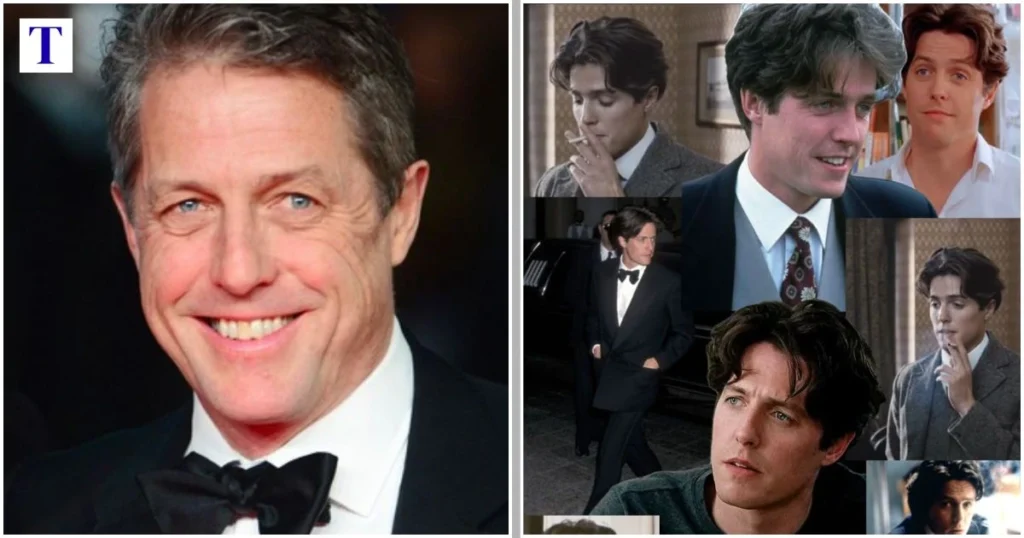
Young Hugh Grant became recognisable for his floppy hair, blue eyes, slim build and understated British style. His appearance, combined with his distinctive accent and dry sense of humour, later became an important part of the screen persona that made him successful in romantic comedies. Photographs from his early career also show that the familiar look associated with Notting Hill and Four Weddings and a Funeral developed gradually rather than appearing overnight.
What makes his younger appearance particularly interesting is the connection between his looks and the characters he played. Grant was often cast as intelligent but slightly awkward men who seemed confident on the surface while struggling with romance or social situations. That combination made him different from the traditional, more serious Hollywood leading man and eventually became one of his strongest advantages as an actor.
Hugh Grant Young Movies
The early Hugh Grant filmography is much broader than his romantic-comedy reputation suggests. His first feature was Privileged in 1982, followed by films including Maurice in 1987, White Mischief, Rowing with the Wind, Impromptu, Bitter Moon and The Remains of the Day. These roles gave him experience in period drama, comedy and more serious material before he became an international star.
Among these early films, Maurice is especially important because Grant’s performance as Clive Durham earned him the Volpi Cup for Best Actor at the Venice Film Festival. His early work proves that he was building a varied acting career before audiences came to associate him mainly with romantic comedy. This background also helps explain why his later performances in darker and more unusual roles did not come completely out of character.
What Was Hugh Grant’s Breakthrough Movie?
Four Weddings and a Funeral was the film that changed Hugh Grant’s career. Released in 1994, the British romantic comedy starred Grant as Charles, a man whose complicated love life unfolds through a series of social occasions. Grant’s nervous humour, self-deprecating delivery and natural charm fitted the character extremely well, helping the film become a major international success.
The success also changed how the film industry viewed Grant. He won the BAFTA Award for Best Actor and the Golden Globe for Best Actor in a Motion Picture – Musical or Comedy for his performance. More importantly, the film created a recognisable screen persona that audiences wanted to see again. His later romantic-comedy roles built on this combination of humour, vulnerability and British charm, turning him into one of the most recognisable leading men of the decade.
Hugh Grant Young in Notting Hill
By the release of Notting Hill in 1999, Hugh Grant was already an established international star. He played William Thacker, a quiet London bookseller who unexpectedly begins a relationship with Anna Scott, a famous Hollywood actress played by Julia Roberts. The film brought together Grant’s established comic style with a story about the difference between ordinary life and celebrity culture.
The film became one of the defining examples of Grant’s 1990s image. His slightly awkward manner, quick humour and understated performance made William Thacker feel different from the larger-than-life characters often associated with Hollywood romance. For people searching for Hugh Grant young Notting Hill, it is worth remembering that he was already 38 when the film was released. His appearance in the film therefore represents the height of his young-to-middle-career leading-man era rather than the beginning of his career.
How Old Was Hugh Grant in Notting Hill?
Hugh Grant was 38 years old when Notting Hill was released in 1999. Because he was born on 9 September 1960, he turned 39 later that year. This detail is useful because many online searches group his 1990s photographs under “young Hugh Grant”, even though he had already spent around 17 years working professionally by the time Notting Hill reached cinemas.
His age also puts his success into perspective. Grant had already made his film debut in 1982, received major recognition for Maurice in 1987 and reached international fame with Four Weddings and a Funeral in 1994. Notting Hill was therefore the result of years of acting experience. The film captured Grant at the height of his romantic-comedy popularity, when his distinctive appearance and performance style were already well established.
Hugh Grant Age and Career Today
Hugh Grant was born in 1960, making him 65 years old in August 2026. His career now spans more than four decades and includes a much wider range of performances than his early romantic-comedy image suggests. His filmography includes About a Boy, Love Actually, Florence Foster Jenkins, Paddington 2, The Gentlemen, Dungeons & Dragons: Honour Among Thieves, Wonka and Heretic.
One of the most interesting changes is the way Grant has moved away from playing the conventional romantic lead. In later years, he has increasingly taken supporting roles, villains and morally complicated characters. His performance in Heretic, for example, is far removed from the charming character audiences saw in Notting Hill. This career shift shows that Grant has been willing to challenge the public image that originally made him famous rather than simply repeating the same formula.
Hugh Grant Wife
Hugh Grant’s wife is Anna Eberstein, a Swedish television producer. The couple married in May 2018 after being together for several years. Grant had previously been in a long-term relationship with actress Elizabeth Hurley, but they separated in 2000. His marriage to Eberstein represents a later chapter of his personal life, quite different from the bachelor image that surrounded him during much of his younger career.
Grant and Eberstein have three children together, while Grant also has two children with Tinglan Hong. Although his relationships have attracted considerable public attention over the years, Grant has generally kept much of his family life away from the spotlight. For readers searching for Hugh Grant wife, the important distinction is that Eberstein is his wife, while Hurley was his former long-term partner.
Hugh Grant Children and Daughter
Hugh Grant has five children: Tabitha, Felix, John, Lulu and Blue. His first child, daughter Tabitha, was born in 2011, followed by son Felix in 2012. Grant and Anna Eberstein have three children together: son John and daughters Lulu and Blue. Grant has generally tried to protect his children’s privacy, so detailed information about their everyday lives is limited.
The interest in Hugh Grant daughter is understandable because fans often want to know how the actor’s personal life developed after his years as a famous bachelor. However, his family story is more meaningful when viewed as part of his wider life. Grant became a father later than many actors, and fatherhood represents a major change from the public persona he had during his most famous romantic-comedy years.
Why Is Hugh Grant Still Popular?
Hugh Grant remains popular because different generations know him for different reasons. Older viewers may associate him with Four Weddings and a Funeral, Notting Hill and Bridget Jones’s Diary, while younger audiences may recognise him from films such as Paddington 2, Wonka, Dungeons & Dragons: Honour Among Thieves or Heretic. His filmography therefore continues to introduce him to new audiences while maintaining interest among long-time fans.
Another reason for his lasting appeal is the change in his acting style. The qualities that once made him a successful romantic lead—comic timing, charm and the ability to appear slightly uncomfortable—can now be used in very different ways. Rather than abandoning those strengths, Grant has adapted them for darker, stranger and more complex characters. That evolution gives audiences a reason to revisit his early films while also following his newer work.
Hugh Grant Young: Career Highlights
Looking at Grant’s career chronologically makes it easier to understand why his younger years remain so interesting. His development can be summarised through several important stages:
- 1982: Made his feature-film debut in Privileged.
- 1987: Gained major critical recognition for Maurice.
- 1991: Played Frédéric Chopin in Impromptu.
- 1993: Appeared in The Remains of the Day.
- 1994: Became an international star through Four Weddings and a Funeral.
- 1995: Appeared in Sense and Sensibility and Restoration.
- 1999: Starred opposite Julia Roberts in Notting Hill.
- 2001–2003: Appeared in major hits including Bridget Jones’s Diary, About a Boy and Love Actually.
- 2017 onward: Took increasingly unusual character roles, including Phoenix Buchanan in Paddington 2.
- 2024: Played Mr Reed in the psychological horror film Heretic.
This timeline shows that Grant’s success was not based on one lucky film. He spent more than a decade gaining experience before his breakthrough and then continued changing his career after becoming famous. That long progression is one of the strongest reasons his early photographs and movies remain interesting to audiences today.
(FAQ’s)
How old was Hugh Grant in Notting Hill?
Hugh Grant was 38 years old when Notting Hill was released in 1999. He was born on 9 September 1960 and starred as London bookseller William Thacker.
What were Hugh Grant’s young movies?
Hugh Grant’s early films include Privileged, Maurice, White Mischief, Rowing with the Wind, Impromptu and Bitter Moon. His major breakthrough came with Four Weddings and a Funeral in 1994.
What was Hugh Grant’s breakthrough film?
Four Weddings and a Funeral was Hugh Grant’s breakthrough film, turning him into an international star. His performance as Charles earned him both a BAFTA Award and a Golden Globe.
Who is Hugh Grant’s wife?
Hugh Grant’s wife is Anna Eberstein, a Swedish television producer. The couple married in 2018 and have three children together.
How many children does Hugh Grant have?
Hugh Grant has five children: Tabitha, Felix, John, Lulu and Blue. He has children with Anna Eberstein and his former partner Tinglan Hong.
Conclusion
The story of Hugh Grant young is about much more than his appearance in old photographs. His early years show how an Oxford graduate with an interest in acting gradually developed into one of Britain’s most successful film stars. His debut in Privileged, critically praised performance in Maurice and eventual breakthrough in Four Weddings and a Funeral each played a different role in shaping his career.
His 1990s success, particularly Notting Hill, created the charming and slightly awkward image that remains strongly connected with him today. Yet his later career proves that this was never the whole story. Grant has moved into darker and more challenging roles while maintaining the comic timing and personality that made him famous. From his younger films and famous 1990s appearance to his family life and modern acting work, his career shows why he remains a fascinating and enduring figure in British cinema.