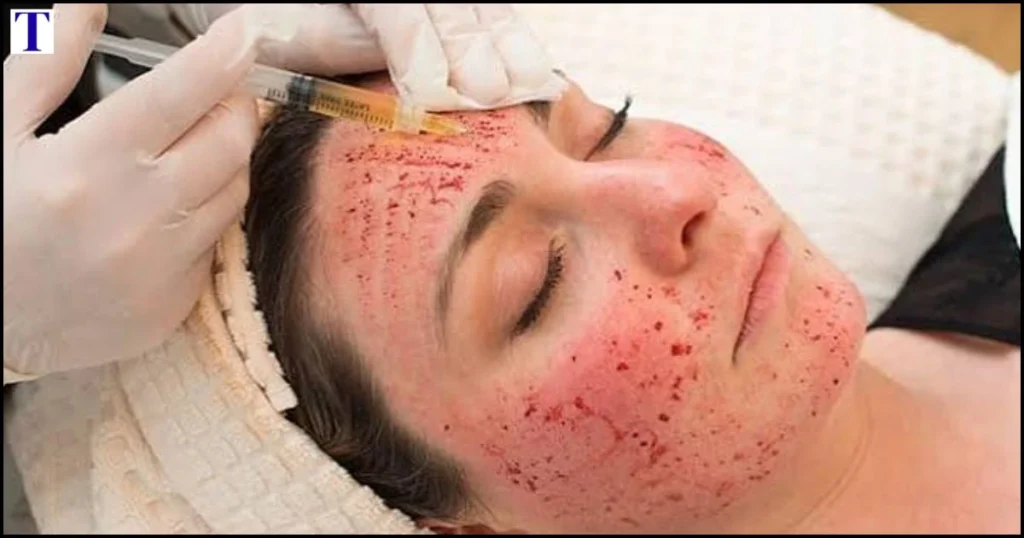

A vampire facial is a cosmetic skin treatment that combines microneedling with platelet-rich plasma (PRP), a substance prepared from a person’s own blood. It has attracted attention among people hoping to improve uneven skin texture, certain acne scars, fine lines and other visible signs of ageing without surgery. Despite its unusual name, the procedure is based on microneedling and the use of a concentrated blood component associated with the body’s natural healing processes.
However, popularity does not mean every advertised benefit is scientifically established. Results can vary, and the procedure carries risks that depend partly on the equipment, treatment method and infection-control standards used by the provider. Understanding how it works, what improvements may be possible, how recovery feels and what to ask before booking can help people make a more informed decision.
What Is a Vampire Facial?
A vampire facial is a non-surgical cosmetic procedure that generally combines microneedling with platelet-rich plasma. PRP is prepared from a small sample of the patient’s blood. The sample is processed to separate its components and concentrate the platelet-rich portion, which contains growth factors involved in the body’s repair processes. Depending on the provider’s technique, the PRP may be applied to the skin during or after microneedling.
The treatment is commonly considered by people concerned about uneven texture, certain types of acne scarring and early fine lines. Unlike a traditional facial, which usually involves cleansing, exfoliation and moisturising, microneedling creates tiny, controlled punctures in the skin. It is therefore a medical aesthetic procedure rather than an ordinary beauty treatment. Although it may improve selected skin concerns, it cannot replace a surgical facelift or guarantee a particular result.
How Does a Vampire Facial Work?
Microneedling uses a device fitted with fine needles to create controlled micro-injuries in the skin. These small punctures activate the body’s wound-healing response and can stimulate collagen production as the skin repairs itself. Collagen is a structural protein that helps support skin firmness and structure. Changes develop gradually, so improvements in texture and the appearance of certain scars may take several weeks or longer to become noticeable.
PRP is prepared separately from a blood sample, usually collected from the patient’s arm. The sample is placed in a centrifuge, which spins it to separate the blood components and concentrate the platelet-rich portion. The prepared plasma is then used with microneedling according to the practitioner’s method. Although PRP contains growth factors involved in tissue repair, the extent to which it adds cosmetic benefits beyond microneedling alone is still being studied. Outcomes depend on the technique, skin condition and individual response.
What Happens During a Vampire Facial Procedure?
An appointment generally begins with a consultation to examine the skin, discuss treatment goals and review medical history. The face is cleansed, and a topical numbing cream may be applied to reduce discomfort. A small blood sample is then collected, usually from a vein in the arm. This is similar to the collection process used for routine blood testing, but careful handling is particularly important because the sample will be processed for the procedure.
The blood sample is placed in a centrifuge to prepare the platelet-rich plasma. Once ready, the practitioner uses a microneedling device across the agreed treatment area and applies the PRP using the chosen technique. Needle depth and treatment intensity can vary according to the person’s skin concerns. Because the procedure involves both blood processing and temporary disruption of the skin barrier, patients should understand each stage, the equipment being used and the infection-control measures in place before agreeing to treatment.
What Are the Benefits of a Vampire Facial?
One reason people consider this treatment is its potential to improve skin texture and the appearance of certain acne scars. Microneedling has been studied for concerns such as some depressed acne scars and fine lines because controlled skin injury can encourage collagen remodelling. When PRP is added, it may offer additional benefits, but research has not established that every patient will experience a meaningful improvement or that the combination will always outperform microneedling alone.
Other possible improvements include a smoother-looking complexion and changes in the appearance of mild fine lines. Some people are attracted to the treatment because the PRP is prepared from their own blood rather than being a manufactured facial filler. However, this does not automatically make the procedure safer or more effective than other options. It cannot reliably remove deep wrinkles, treat every type of pigmentation or dramatically tighten loose skin. Patients should have realistic expectations and understand that results differ.
What Skin Problems Can a Vampire Facial Help With?
This treatment is generally considered by people who want to improve visible changes in skin texture rather than temporary dryness or dehydration. Someone with certain shallow, depressed acne scars may explore microneedling because collagen remodelling can gradually change their appearance. People concerned about early fine lines or an uneven complexion may also discuss the procedure with a qualified professional to determine whether it is appropriate for their skin.
Different skin conditions require different approaches, however. Deep ice-pick scars, raised scars, active acne, melasma and significant sun damage may need other treatments. A procedure that helps improve one type of scarring may not produce the same result for another. This is why an individual skin assessment matters. A dermatologist or suitably qualified medical professional can explain whether microneedling, PRP or another option is more appropriate for the specific concern.
What Are the Side Effects of a Vampire Facial?
Temporary skin reactions are common because microneedling creates small punctures and activates the skin’s healing response. Immediately afterwards, the face may look red, feel warm or become slightly swollen. Some people also experience bruising, tenderness, dryness, tightness, peeling or pinpoint bleeding. These effects often improve over the following days, although the recovery period depends on needle depth, treatment intensity and individual sensitivity.
More serious complications are possible, particularly when equipment is not properly sterilised or the procedure is performed by an inadequately trained provider. Potential problems include infection, prolonged inflammation, scarring and pigmentation changes. A CDC investigation published in 2024 identified likely HIV transmission associated with PRP microneedling cosmetic services at an unlicensed spa in New Mexico, where infection-control practices were inadequate. This was a specific investigation involving unsafe practices, not evidence that every properly performed vampire facial transmits HIV. It highlights why sterile equipment, safe blood handling and appropriate practitioner qualifications are essential.
Who Should Avoid a Vampire Facial?
Not everyone is a suitable candidate for microneedling or PRP treatment. People with active skin infections, open wounds, certain bleeding or clotting disorders, impaired wound healing or weakened immune systems may face additional risks. Existing skin conditions and some medications can also affect whether the procedure is appropriate. Anyone with a history of abnormal scarring, cold sores or significant skin inflammation should discuss these concerns before booking an appointment.
Pregnant or breastfeeding individuals and people with certain medical conditions should seek individual medical advice rather than assuming the treatment is suitable. Blood-thinning medication and conditions such as uncontrolled diabetes may also require particular consideration. Patients should provide an accurate medical history, including medicines, supplements and previous cosmetic procedures. A responsible practitioner should assess suitability, explain possible complications and recommend an alternative if the risks outweigh the potential benefits.
How Long Does It Take to Recover After a Vampire Facial?
Recovery varies according to treatment intensity, needle depth and individual skin sensitivity. Immediately after the procedure, the face may appear red and feel warm or tight, similar to mild sunburn. Mild swelling and pinpoint marks may also occur. For many people, noticeable redness begins to settle within a few days, although more intensive treatments can cause longer-lasting sensitivity or peeling. The skin may also feel slightly rough as its surface recovers.
During this period, protecting the skin and following professional aftercare instructions are important. Patients may be advised to use gentle skincare products, avoid direct sun exposure and temporarily stop using retinoids, exfoliating acids and other irritating ingredients. Makeup, strenuous exercise, swimming and sauna use may also need to be avoided for a period recommended by the practitioner. Increasing pain, spreading redness, pus, fever or worsening swelling should not be dismissed as normal recovery symptoms and require medical assessment.
Vampire Facial Aftercare: What Should You Avoid?
Aftercare helps protect the skin while its natural barrier recovers. Microneedling temporarily makes the skin more sensitive, so applying strong skincare ingredients or exposing the treated area to excessive heat and sunlight too soon may increase irritation. The practitioner should provide instructions based on the needle depth, treatment method and individual skin condition. Following those instructions is particularly important during the first few days.
Common precautions may include:
- Avoid retinol, exfoliating acids and strong active skincare ingredients until advised that the skin has recovered.
- Use gentle cleansers and suitable moisturisers recommended by the practitioner.
- Protect the skin from direct sunlight and use appropriate sun protection once advised.
- Avoid makeup until the treated skin is sufficiently healed.
- Avoid swimming pools, saunas and strenuous exercise for the recommended period.
- Do not scratch, pick or rub the treated area.
Patients should avoid experimenting with new skincare products during recovery. If irritation becomes severe or symptoms worsen rather than improve, they should contact a healthcare professional.
How Much Does a Vampire Facial Cost?
The cost depends on the country, clinic, practitioner’s experience, equipment and treatment method. Some clinics charge more because the appointment includes blood collection, PRP preparation, specialist microneedling equipment and a consultation. Prices may also differ depending on whether the treatment covers the entire face or only selected areas. There is therefore no single standard price that applies to every patient.
Before booking, ask whether the quoted fee includes the consultation, blood processing, microneedling and follow-up appointments. It is also worth finding out whether multiple sessions are being recommended and what the estimated total cost will be. A low price should not be the main reason for choosing a provider, particularly when the procedure involves needles and personal blood products. Transparent pricing, appropriate clinical qualifications and proper infection-control procedures are more important than promotional packages or discounts.
How Long Do Vampire Facial Results Last?
The duration of results varies because individuals respond differently to microneedling and PRP treatments. Skin condition, age, lifestyle, treatment intensity and the number of sessions can all influence the outcome. Some people notice changes in skin texture within the first few weeks, while improvements associated with collagen remodelling may take longer to become visible. Not everyone experiences the same degree of improvement.
Results are not necessarily permanent because the skin continues to age naturally. There is no universally established maintenance schedule for cosmetic PRP treatments, and repeat appointments should not be assumed to be necessary for everyone. A qualified practitioner can assess the response and discuss whether further treatment is reasonable. Patients should also consider whether any improvement justifies the cost, recovery time and potential risks before committing to additional sessions.
(FAQs)
Is a vampire facial painful?
Most people experience some discomfort rather than severe pain. A topical numbing cream is commonly applied before microneedling to make the procedure more comfortable. However, sensitivity varies according to needle depth, treatment area and individual pain tolerance. Some tenderness or warmth afterwards is also possible.
How long does a vampire facial take to heal?
Mild redness, swelling and sensitivity often improve within a few days, although some people need longer to recover. The healing period depends on treatment intensity and individual skin response. Following professional aftercare instructions can help protect the skin while it recovers.
Can a vampire facial remove acne scars?
It may improve the appearance of certain acne scars, particularly some shallow, depressed scars, by encouraging collagen remodelling. However, results depend on scar type and severity. Deep or different types of scarring may require alternative dermatological treatments, and complete removal cannot be guaranteed.
How often should you get a vampire facial?
There is no universally established schedule for everyone. The number and spacing of sessions depend on skin condition, treatment intensity and individual response. A qualified practitioner should recommend a suitable plan after assessing the skin rather than automatically selling a fixed package.
Who should avoid a vampire facial?
People with active skin infections, certain bleeding disorders, impaired wound healing or other relevant medical conditions may not be suitable candidates. Some medications can also affect treatment safety. A healthcare professional should review medical history and assess individual suitability before the procedure.
Conclusion
A vampire facial combines microneedling with platelet-rich plasma prepared from a person’s own blood to support the skin’s natural repair response. It has attracted attention because it may improve the appearance of certain acne scars, uneven texture and early fine lines without requiring surgery. However, it is not a miracle skincare solution, and its results are neither guaranteed nor permanent. Temporary redness, swelling and sensitivity are common, while infection, scarring and pigmentation changes are important risks to understand. Scientific evidence for the additional cosmetic benefits of PRP is still developing, so exaggerated promises should be treated with caution.
Ultimately, this treatment may be worth considering for selected skin concerns, but choosing a qualified practitioner, understanding the procedure and maintaining realistic expectations should always come first. Patients should ask how blood is collected and processed, whether equipment is single-use or properly sterilised, and what infection-control measures are followed. A careful consultation can help them compare available options and decide whether the potential benefits justify the cost and risks.