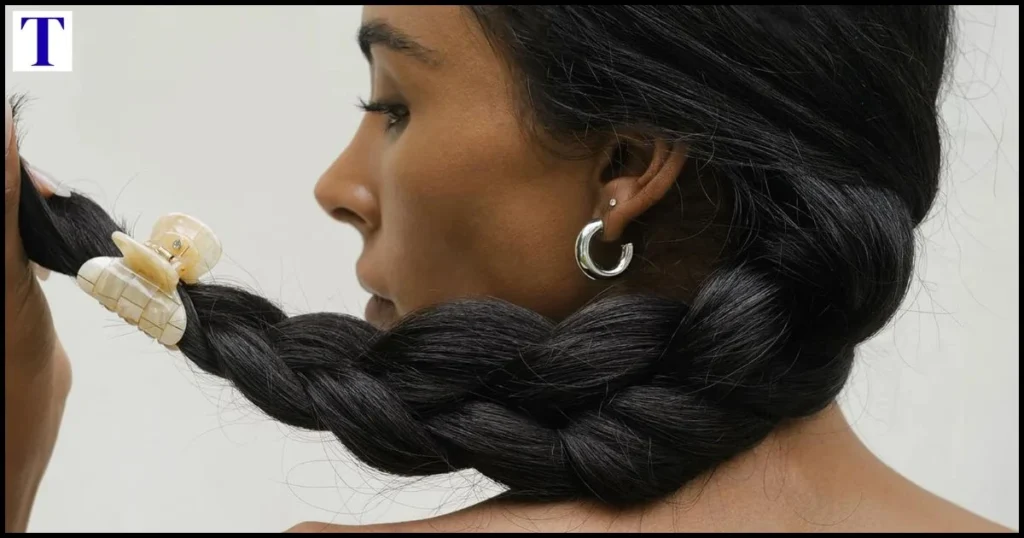

Thin hair can make your scalp more visible, reduce the volume of your ponytail and leave your hair looking flat. If you want fuller, healthier-looking hair, understanding the cause of thinning is the best place to start. Some people naturally have fine strands, while others experience hair loss because of genetics, nutritional deficiencies, hormonal changes, stress or damage from styling. Each cause requires a different approach, which is why no single shampoo, oil or home remedy works for everyone. A consistent hair-care routine can help reduce breakage, improve manageability and protect existing strands. When thinning is caused by an underlying health problem, appropriate treatment may also help. This guide explains practical ways to improve hair thickness, the role of nutrition, realistic expectations for hair growth and the signs that suggest professional advice may be necessary.
What Causes Hair to Become Thin?
Hair can appear thin for several reasons. Fine hair refers to the diameter of individual strands, whereas low hair density means fewer hairs are growing across the scalp. Someone can naturally have fine hair without experiencing hair loss. However, hereditary hair loss can gradually cause follicles to produce finer hairs, making the scalp more visible. Hair may also look sparse when the ends repeatedly break because of excessive heat styling, bleaching, rough brushing or tight hairstyles. Understanding the difference between naturally fine hair, breakage and actual hair loss helps you choose a more suitable approach instead of spending money on products that may not address the problem.
Other possible causes include temporary shedding after an illness, significant stress, rapid weight loss, restrictive diets and hormonal changes. Iron deficiency and thyroid problems can also contribute to hair loss in some people. Pay attention to changes in your hair over time, including a widening parting, a smaller ponytail, sudden shedding or broken strands. These signs do not establish a diagnosis, but they can help you explain the problem to a healthcare professional. If thinning is sudden, occurs in patches or continues to worsen, seek medical advice rather than relying exclusively on home treatments.
How to Thicken Hair Naturally
A consistent hair-care routine can improve the condition of your hair and help it look fuller by reducing unnecessary breakage. Choose a shampoo suited to your scalp and wash as often as needed to remove excess oil, sweat and product build-up. Apply conditioner after washing to soften the lengths, reduce friction and make tangles easier to remove. If your hair is fine, concentrate conditioner on the mid-lengths and ends to avoid weighing down the roots. Gently squeeze out excess water with a soft towel and use a wide-toothed comb to detangle your hair without pulling. These small changes are especially useful for fragile hair that snaps during brushing or styling.
Oils may help improve softness and manageability, but they should not be presented as guaranteed hair-growth treatments. Coconut oil can help protect the hair shaft against certain types of damage, while suitable conditioning products may reduce friction. Scalp massage can be relaxing, although strong evidence that it produces substantial regrowth remains limited. Avoid applying several new products at once, particularly if your scalp is sensitive. Introduce products gradually and stop using anything that causes irritation, redness or persistent itching. The aim is to maintain a simple routine that protects existing hair rather than repeatedly changing products in search of immediate results.
Which Foods Help Hair Grow Thicker?
Hair follicles need adequate energy, protein and essential nutrients to support normal growth. Hair fibres are primarily made from keratin, a structural protein, so consistently eating too little protein may affect hair health. Iron deficiency can also contribute to shedding, while zinc, vitamin B12 and other nutrients support normal body functions. However, taking extra vitamins does not automatically make hair thicker. Supplements are most useful when they address a confirmed deficiency or another identified need, and excessive amounts of certain nutrients can be harmful. A balanced diet is therefore a sensible starting point before considering supplements marketed specifically for hair growth.
Include a variety of nutritious foods in your meals, such as eggs, fish, chicken, lentils, chickpeas, beans, yoghurt, nuts and seeds. These foods provide protein and a range of other nutrients that contribute to overall health. Leafy green vegetables can supply iron and folate, although iron absorption varies between foods. If you follow a vegetarian or vegan diet, pay particular attention to obtaining sufficient protein, iron and vitamin B12. People experiencing persistent shedding alongside fatigue, restrictive eating or other symptoms should discuss these concerns with a healthcare professional. An assessment or blood tests may be appropriate depending on the symptoms. Avoid taking high-dose supplements without a clear reason or suitable professional advice.
How to Thicken Hair Fast
If you want your hair to look fuller quickly, styling methods can provide visible improvements without waiting for new growth. Lightweight volumising mousse, root-lifting sprays and suitable thickening shampoos can make fine strands appear less flat. Changing your parting, lifting the roots while blow-drying or choosing a haircut that suits your hair texture can also improve the appearance of density. Use heat carefully and avoid heavy oils or creams near the roots if your hair becomes greasy or loses volume easily. These methods are particularly useful for naturally fine hair that needs more body.
Actual hair growth takes much longer than styling changes. A week of using an oil or shampoo is unlikely to produce a lasting increase in hair density. If breakage is the main problem, reducing heat and friction may gradually improve the appearance of your hair as you retain more length. If you are experiencing genuine hair loss, the most useful next step depends on the underlying cause. Avoid products that promise guaranteed results within seven days, and do not confuse temporary volume with new growth. Persistent shedding or a widening parting deserves attention rather than repeated experiments with quick-fix remedies.
Can You Thicken Hair Permanently?
There is no single method that permanently thickens everyone’s hair. Natural strand thickness and density are influenced by genetics, and cosmetic products cannot permanently change these characteristics. However, hair may become fuller again when thinning results from a reversible cause that is identified and addressed. For example, temporary shedding may improve after the triggering illness, nutritional problem or other cause has been resolved. Correcting a confirmed deficiency may also help when it is contributing to hair loss. Recovery varies, and even when the underlying cause is treated, visible improvement can take several months.
For certain types of hereditary hair loss, treatments such as topical minoxidil may help slow further thinning or support regrowth. It is not suitable for everyone, and possible side effects and individual circumstances should be considered before use. Benefits generally require continued treatment and may diminish after it is stopped. A dermatologist or qualified healthcare professional can explain which options are appropriate for your particular situation. Be cautious of claims that a particular oil, shampoo or supplement will permanently restore lost density. A more realistic goal is to protect existing hair, address treatable causes and choose a suitable approach that can be maintained over time.
When Should You Seek Medical Advice for Hair Thinning?
Persistent hair thinning should not always be treated as a cosmetic concern. Consider arranging a professional assessment if your parting is becoming wider, your hairline is receding, your ponytail is noticeably smaller or shedding continues for several months. Sudden hair loss, bald patches, scalp pain, redness or significant itching also warrant medical attention. Early assessment can help identify possible causes and determine whether treatment is needed. This is particularly important when thinning begins unexpectedly or occurs alongside other changes in your health.
A healthcare professional may ask about recent illness, stress, diet, medicines, family history and hormonal changes. Depending on your symptoms, they may examine your scalp or recommend blood tests to investigate possible deficiencies or thyroid problems. Not everyone needs supplements, extensive testing or medication, so recommendations should be based on an appropriate assessment. Keeping a note of when the thinning began and taking occasional photographs in similar lighting can help you monitor changes. Seeking advice does not mean you must use medication; it helps you understand the available options and make a more informed decision.
(FAQs)
Can you thicken hair naturally?
You can improve the condition and appearance of hair through gentle care, balanced nutrition and reduced heat damage. These measures may help reduce breakage and make hair look fuller, but they cannot guarantee increased density or reverse every type of hair loss.
How can I make my hair look thicker in a week?
Try a suitable haircut, lightweight volumising products and gentle root-lifting techniques. These methods can improve the appearance of fine hair quickly, but genuine regrowth generally takes much longer.
How can I thicken hair naturally in a month?
Follow a consistent washing and conditioning routine, minimise heat styling and eat balanced meals with sufficient protein. You may notice improved manageability or less breakage within a month, but substantial new growth is unlikely in such a short period.
Do oils help hair grow thicker?
Some oils can improve softness and help protect the hair shaft from certain types of damage. However, evidence that oils reliably increase hair density or reverse hereditary hair loss is limited. Stop using any product that causes irritation.
Can thinning hair become thick again?
Sometimes. Hair may recover when temporary shedding or a treatable underlying cause is addressed. Certain types of hereditary hair loss may respond to appropriate treatment, but complete restoration is not guaranteed. The outcome depends on the cause and the condition of the hair follicles.
Conclusion
Achieving fuller-looking hair starts with understanding why it appears thin and choosing an approach that addresses the actual problem. Gentle washing, regular conditioning, careful detangling and reduced heat styling can help protect fragile strands and reduce breakage. A balanced diet supports normal hair growth, while suitable haircuts and lightweight styling products can improve volume without promising results they cannot deliver. If your hair is becoming progressively thinner, your parting is widening or shedding continues, professional assessment can help identify the cause and determine whether treatment is appropriate. Natural remedies may complement a hair-care routine, but they should not replace effective treatment when a medical condition is responsible. The most reliable approach combines consistent hair care, realistic expectations and evidence-based decisions. Rather than chasing overnight results, focus on protecting existing strands, retaining length and addressing unusual thinning early. This gives you a more practical foundation for healthier, stronger and fuller-looking hair.



Pingback: Sleeping Beauty Cake Ideas: Pink, Blue and Aurora