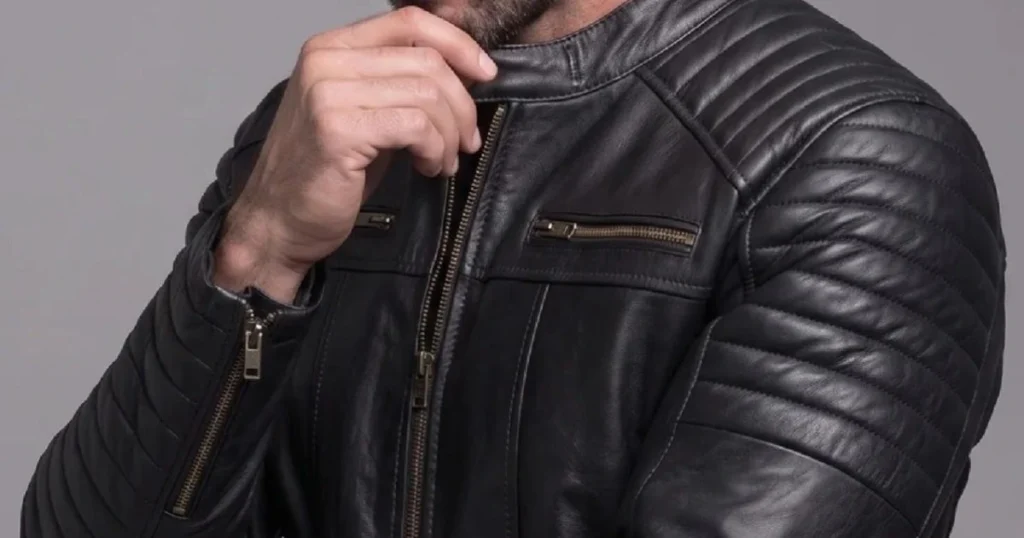

A genuine black leather jacket is one of the most versatile pieces of clothing we can add to a wardrobe. It combines durability, timeless style, and everyday practicality, making it suitable for casual outfits, smart-casual looks, and modern streetwear. Whether we prefer a classic biker jacket, a minimalist leather jacket, or a traditional bomber, choosing the right one requires more than simply finding an attractive design.
The quality of the leather, construction, stitching, fit, hardware, and finishing all influence how a jacket looks and performs over time. A jacket might appear impressive in product photographs but feel uncomfortable, develop cracks, or lose its shape after regular wear if the materials and craftsmanship are poor.
When shopping for a real Uk Black Leather Jacket we should examine several important details before making a purchase. Understanding these features helps us recognise quality, avoid misleading product descriptions, and select a jacket that complements our personal style for years to come.
1. Understand the Different Types of Genuine Leather
The first step in choosing a quality black leather jacket is understanding the material used to make it. Not all leather is identical. Different leather types have distinct textures, durability levels, appearances, and maintenance requirements.
Full-Grain Leather
Full-grain leather is widely regarded as one of the highest-quality leather options for jackets. It retains the natural outer surface of the hide, including its original grain and small imperfections.
These natural characteristics give each jacket a distinctive appearance. Instead of looking completely uniform, the leather may feature subtle variations in texture that contribute to its character.
One of the main advantages of full-grain leather is its ability to develop a natural patina with age. With regular wear and appropriate care, the surface can become richer and more individual.
We should look for full-grain leather when durability, natural appearance, and long-term use are priorities. However, the quality of the tanning process and construction still matters, even when the material is full-grain.
Top-Grain Leather
Top-grain leather is another popular option for high-quality jackets. Its surface is generally refined to create a more consistent appearance, which makes it attractive to people who prefer a smooth, polished finish.
Compared with full-grain leather, top-grain leather may have a more uniform texture. It can also offer a comfortable balance between flexibility, appearance, and durability.
For a black leather jacket with a clean, modern design, top-grain leather can be an excellent choice. It works particularly well for minimalist jackets, fitted styles, and versatile everyday clothing.
Genuine Leather and Leather Quality
The term genuine leather can be confusing because it does not automatically indicate that a product uses the highest grade of leather. It broadly identifies real leather, but the quality, processing, and construction can vary considerably.
Some jackets made from genuine leather are durable and attractive, while others use lower-grade leather that may not last as long.
We should therefore examine the specific material description rather than relying on the words genuine leather alone. Whenever possible, look for details about the leather grade, animal hide, surface treatment, and manufacturing process.
Bonded Leather and Synthetic Alternatives
Bonded leather is made using leather fibres or scraps combined with binding materials. Its composition differs from that of a jacket made from a continuous piece of leather hide.
Synthetic leather, including polyurethane-based alternatives, imitates the appearance of real leather without using an animal hide as the main material.
Both materials can provide an affordable leather-like appearance, but their durability and ageing characteristics differ from those of well-made genuine leather.
If our goal is to purchase a real black leather jacket, we should confirm that the product description accurately identifies the material and does not use vague wording that confuses synthetic leather with natural leather.
2. Examine the Texture and Natural Appearance
The surface of a leather jacket can reveal useful information about its material and finishing.
Natural leather often displays subtle variations in grain, texture, and flexibility. These differences are normal and can make the jacket look distinctive rather than factory-perfect.
When examining a jacket in person, we should pay attention to the following features:
- Natural grain: Look for a texture that appears consistent with the leather type described by the manufacturer.
- Surface flexibility: Quality leather should generally feel flexible enough for its intended design without feeling excessively stiff or fragile.
- Consistent finishing: The black colour should be reasonably even, although natural variations may remain visible.
- No excessive peeling: The surface should not show unexplained flaking, bubbling, or peeling.
- Appropriate thickness: The material should suit the jacket’s intended purpose, whether lightweight fashion wear or a heavier outer layer.
We should not automatically reject a jacket because it has small natural marks. In fact, these characteristics can be evidence of the hide’s natural grain.
However, large areas of damaged coating, unusually brittle surfaces, or visible deterioration in a new product deserve closer inspection.
3. Check the Quality of the Stitching
Even the finest leather cannot compensate for poor construction. Stitching helps hold the jacket together and affects its durability, shape, and overall appearance.
A well-constructed black leather jacket should have neat, consistent seams. The stitches should generally follow straight lines and remain secure around high-stress areas.
Inspect the Seams Carefully
We should examine the shoulders, armholes, side panels, sleeves, pockets, and main zip area. These sections experience repeated movement and tension during everyday use.
Loose threads, uneven stitching, open seams, or inconsistent spacing may indicate inadequate quality control.
Extra attention should be given to areas where several pieces of leather meet. Poorly finished seams can become uncomfortable, weaken over time, or make the jacket appear less refined.
Look at Stress Points
The pockets, cuffs, belt loops, and zipper base may experience additional pulling during use.
Reinforced stitching in these areas can improve durability. If the jacket includes decorative panels, straps, or shoulder details, we should also check whether they are securely attached.
A jacket with carefully finished stitching usually looks more polished and inspires greater confidence in its construction.
4. Choose the Right Black Leather Jacket Fit
Fit is one of the most important factors when buying a black leather jacket. Even expensive leather can look disappointing if the jacket is too tight, excessively loose, or poorly proportioned.
We should choose a fit that complements our body shape while allowing enough movement for everyday activities.
Shoulder Fit
The shoulder seams should generally sit close to the natural shoulder line, depending on the intended design.
If the shoulders extend too far beyond the body in a fitted jacket, the garment may look oversized unintentionally. If they sit too far inward, the jacket can feel restrictive.
Oversized streetwear designs are an exception because their proportions are deliberately relaxed.
Chest and Body Fit
The jacket should close comfortably without pulling excessively across the chest or abdomen. At the same time, it should not hang so loosely that the silhouette loses its intended shape.
We should be able to sit, walk, reach forward, and move our arms without significant discomfort.
A slim-fit jacket creates a more tailored appearance, while a regular fit offers greater flexibility for layering. An oversized jacket provides a relaxed silhouette that works well with contemporary streetwear.
Sleeve Length
Sleeves should suit the jacket’s design and our proportions. Sleeves that are too short may expose the wrists unnecessarily, while excessively long sleeves can interfere with the overall appearance.
We should check the sleeve length while standing naturally and moving our arms.
Allow Space for Layering
If we plan to wear the jacket during colder months, we should leave enough room for a T-shirt, sweatshirt, or lightweight jumper.
However, buying a jacket several sizes too large is not always the best solution. A better approach is to select a design specifically intended for layering.
5. Select a Style That Matches Your Wardrobe
Leathermakers Black leather jackets come in several classic designs. Choosing the right style helps us create outfits that feel natural rather than forcing the jacket into a wardrobe where it does not belong.



Pingback: Petite Mother of the Bride Outfits: UK Guide